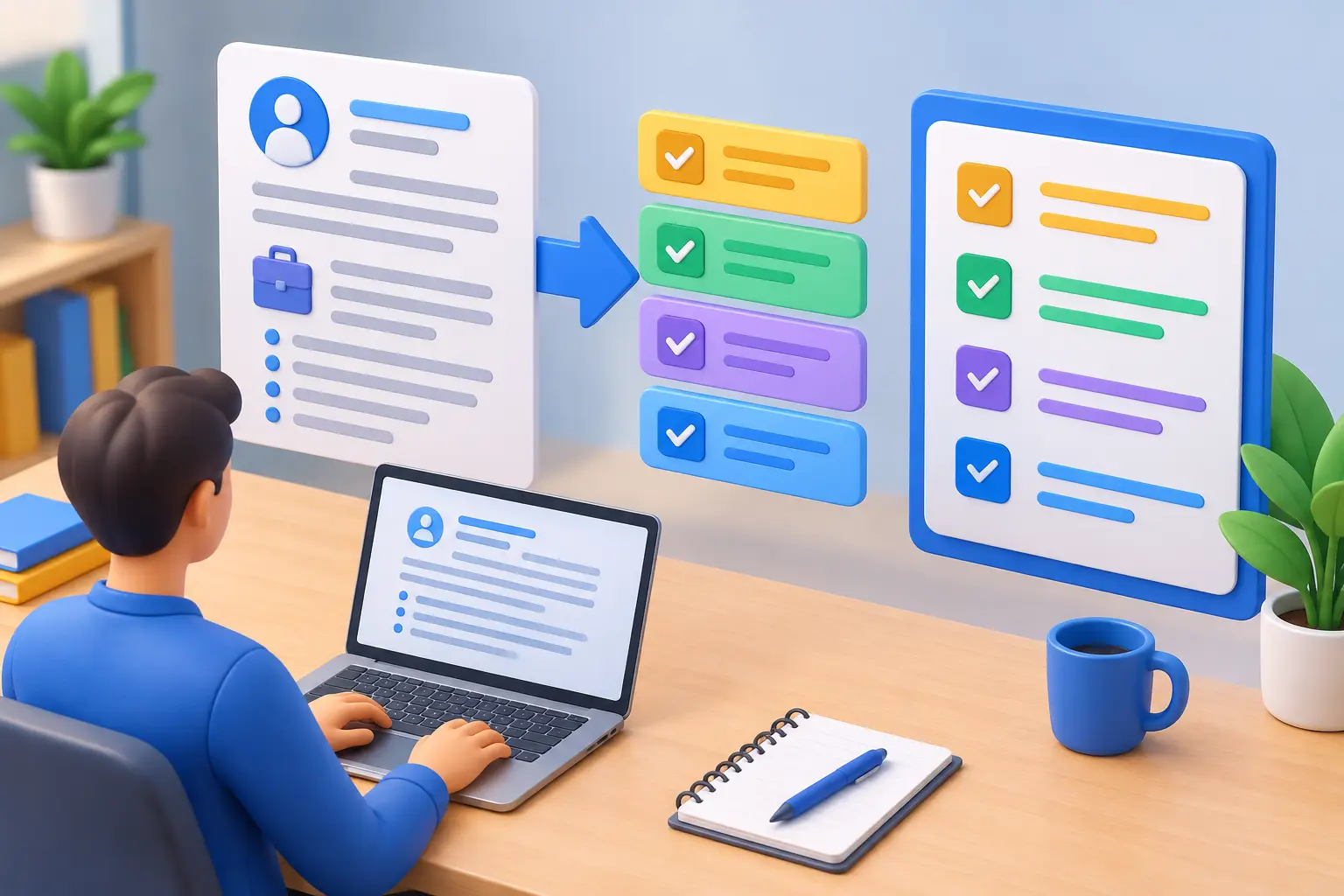
How to Extract Tasks From Job Descriptions
Learn how to extract tasks from job descriptions for fairer reviews, clearer expectations and stronger performance calibration across teams.

Blind Assessments vs Open Feedback: What Works?
Blind assessments vs open feedback: compare bias, candour and calibration to design fair, defensible performance reviews at scale for fairer decisions.
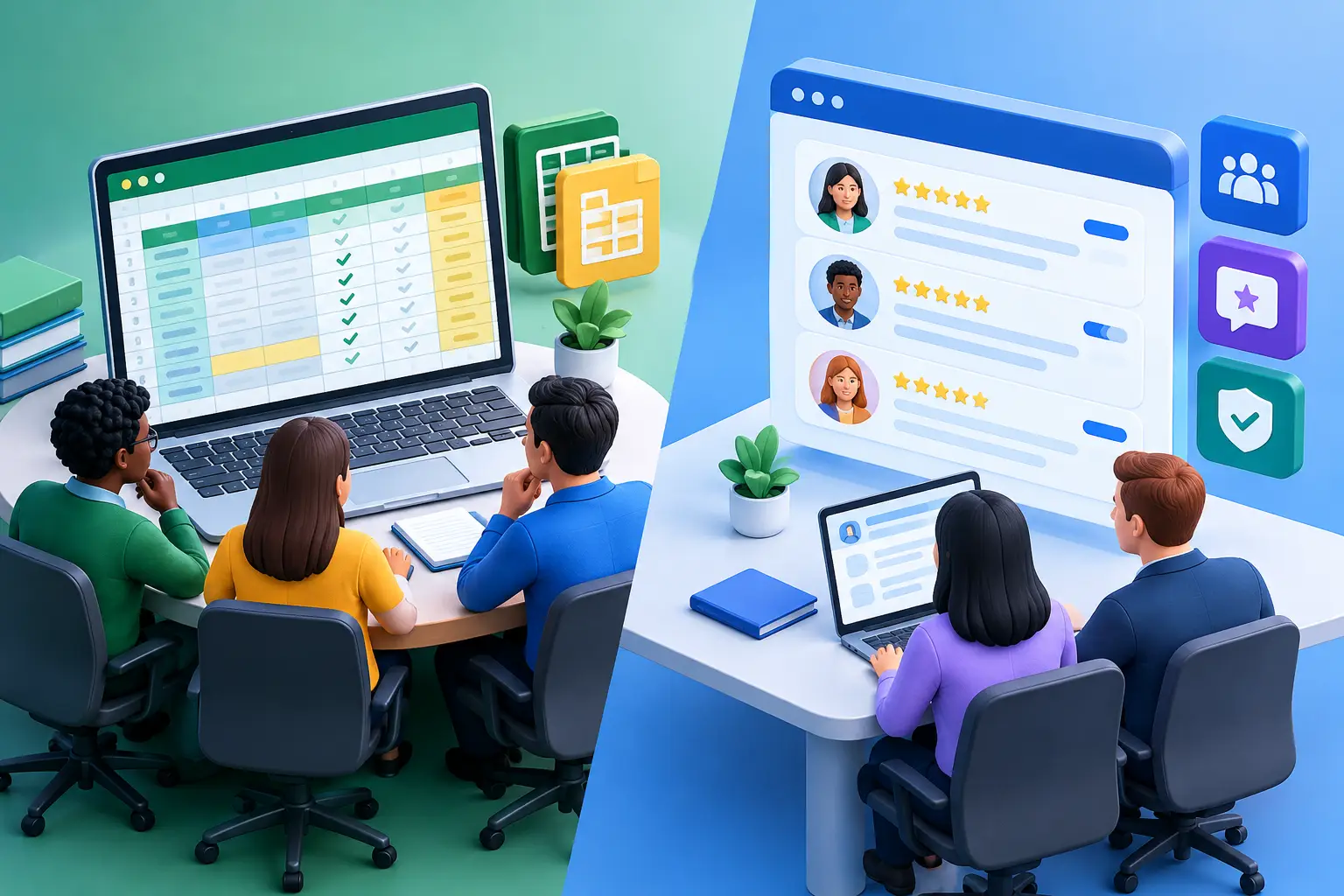
Spreadsheet Reviews vs Review Portals for HR Teams
Spreadsheet reviews vs review portals: compare control, fairness, reporting and workload to choose a performance review process that scales properly.
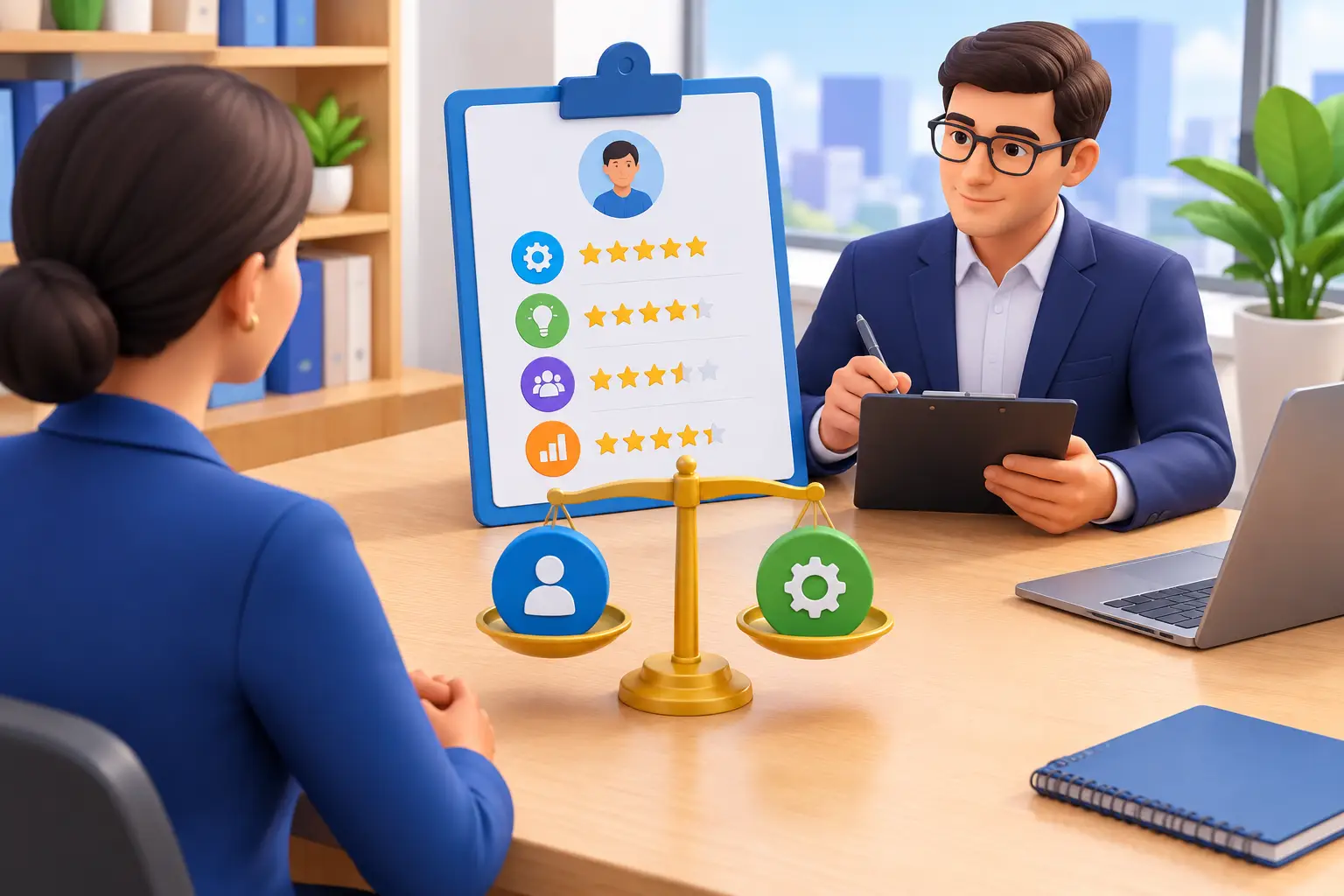
What Makes Appraisals More Objective at Work?
What makes appraisals more objective? Role-based criteria, blind submissions and calibration controls reduce bias in performance reviews across teams.
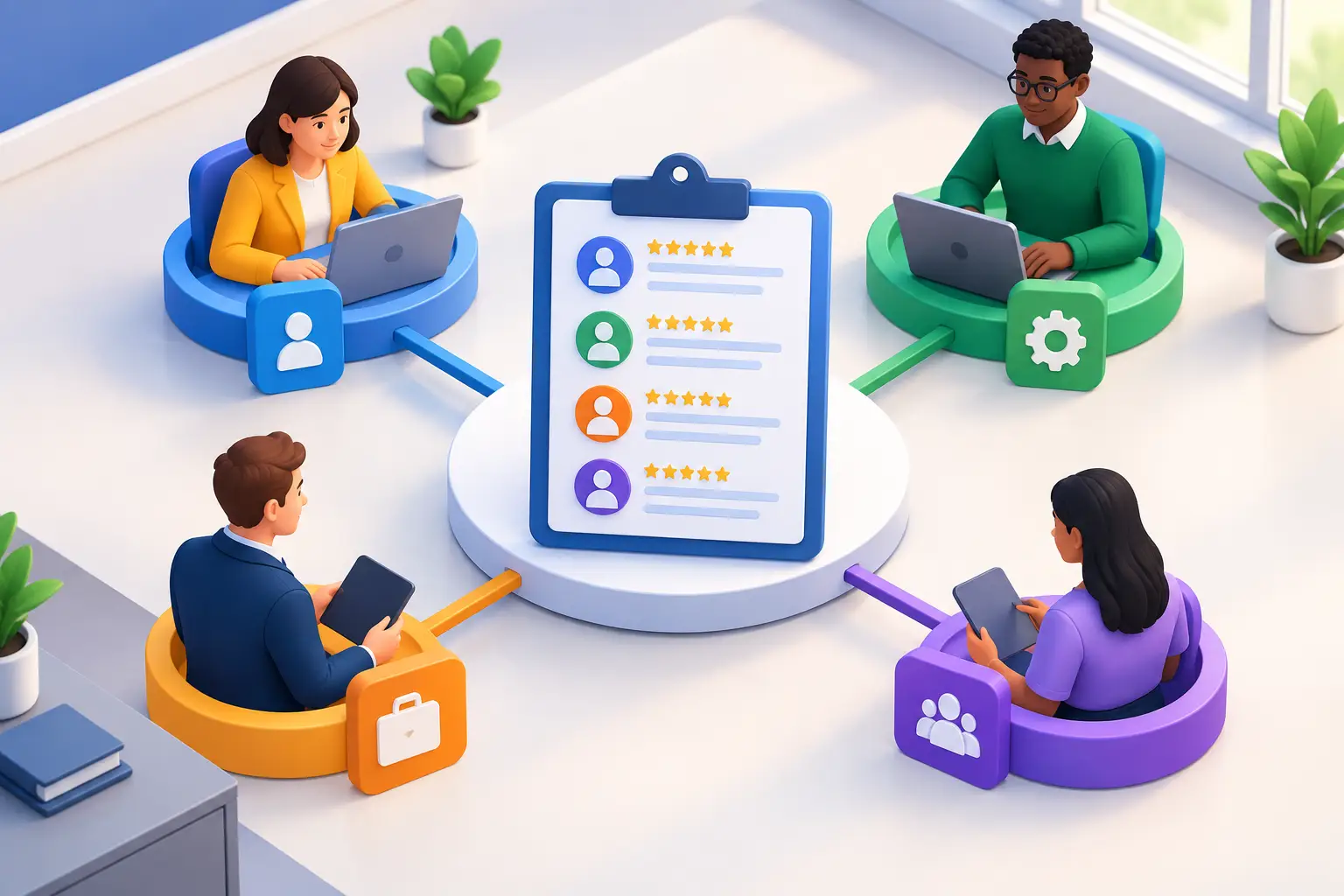
How to Structure Role Based Reviews Fairly
Learn how to structure role based reviews with clear duties, blind assessments and calibrated evidence that improves fairness at scale.
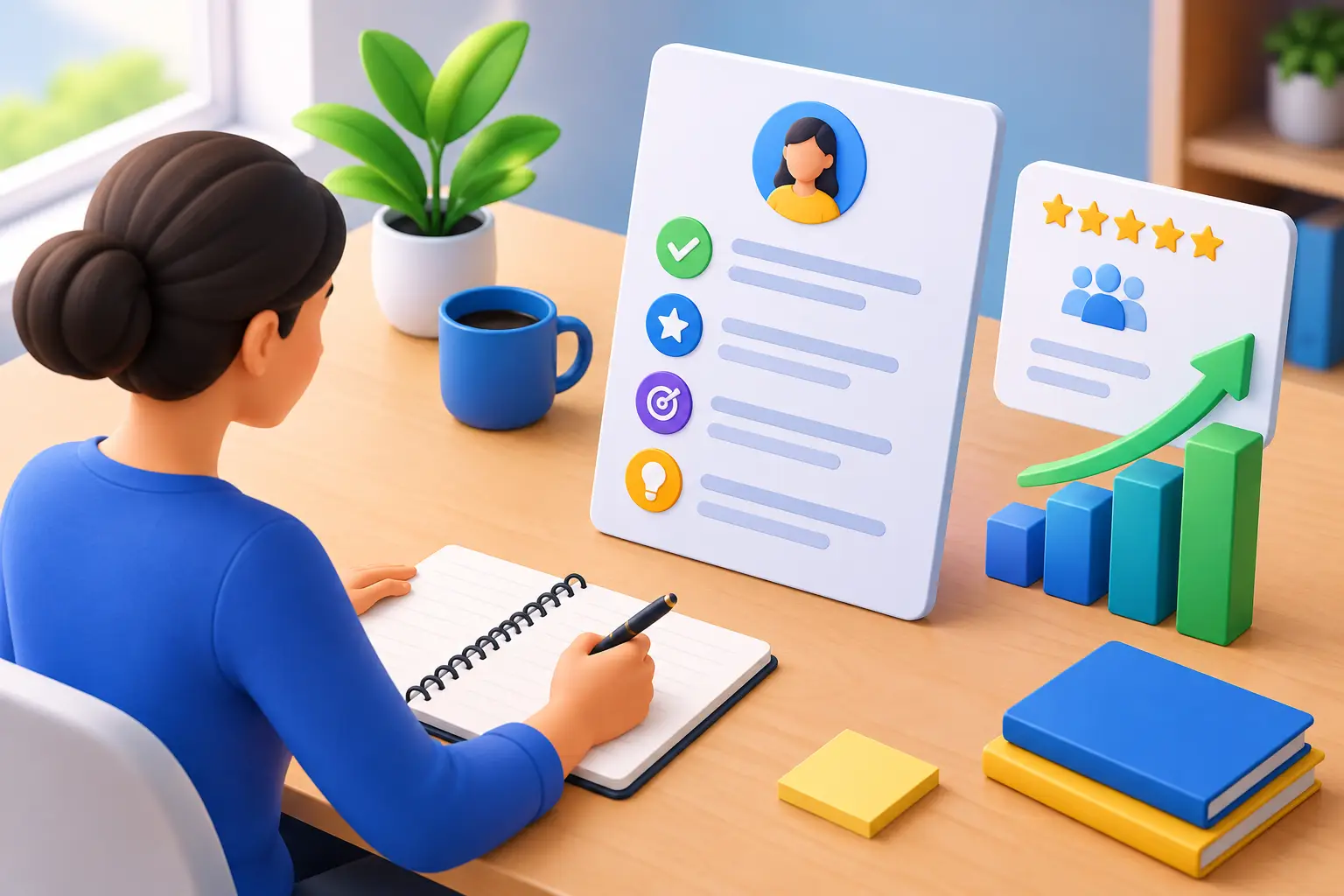
How to Write Self Assessments That Improve Reviews
Learn how to write self assessments using role-based evidence, clear outcomes and useful context that support fairer, more accurate performance reviews.

Competency Management Software That Reduces Bias
Competency management software gives HR teams a clearer, fairer way to assess role-based capability, expose gaps and improve review decisions at scale.
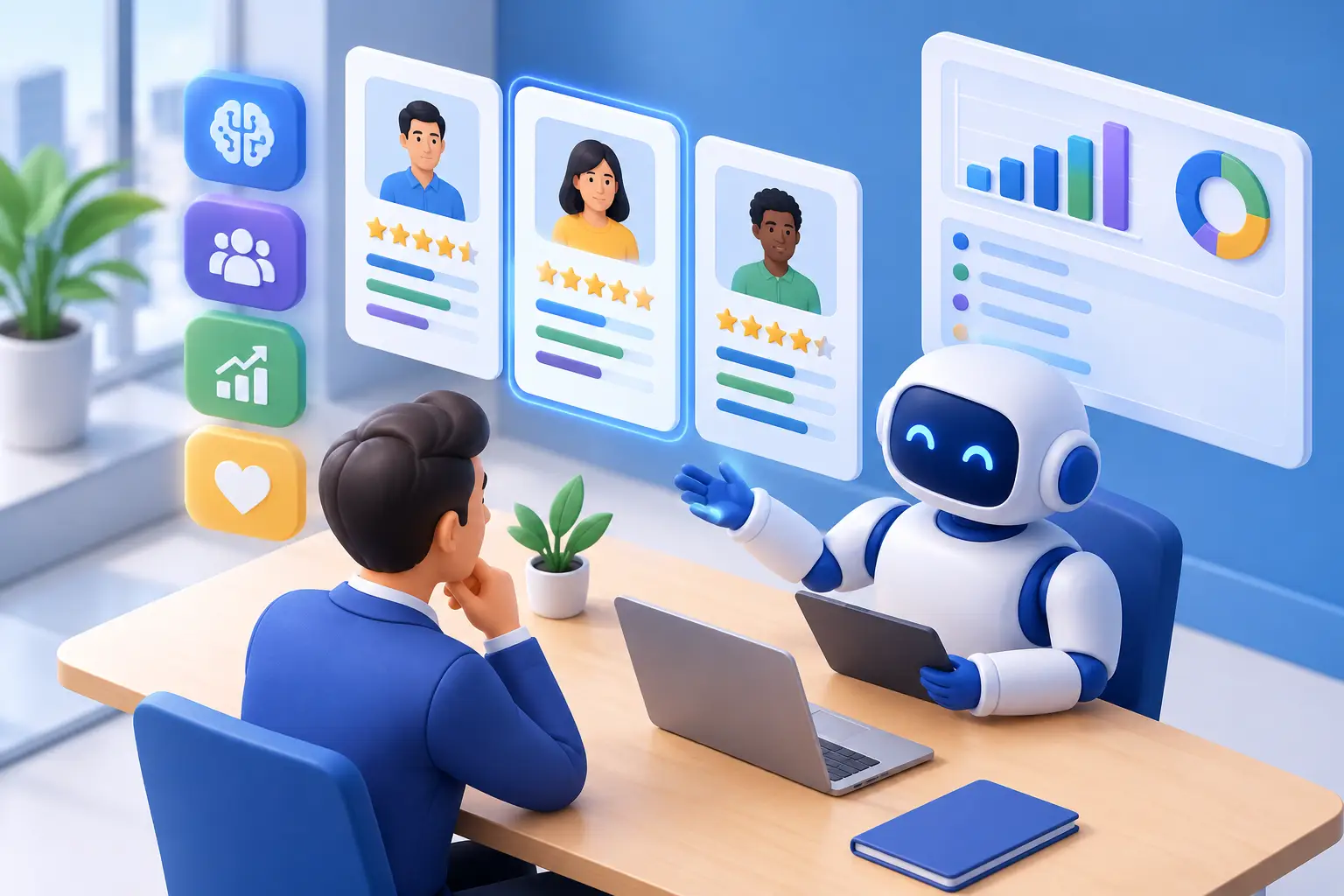
AI Trends in Employee Evaluation That Matter
AI trends in employee evaluation are shifting reviews towards evidence, blind comparison and clearer manager decisions at scale across Australian teams.

Why Manager Self Review Mismatch Matters
Manager self review mismatch reveals where expectations, evidence and role standards diverge. Learn how to turn gaps into fairer performance discussions.
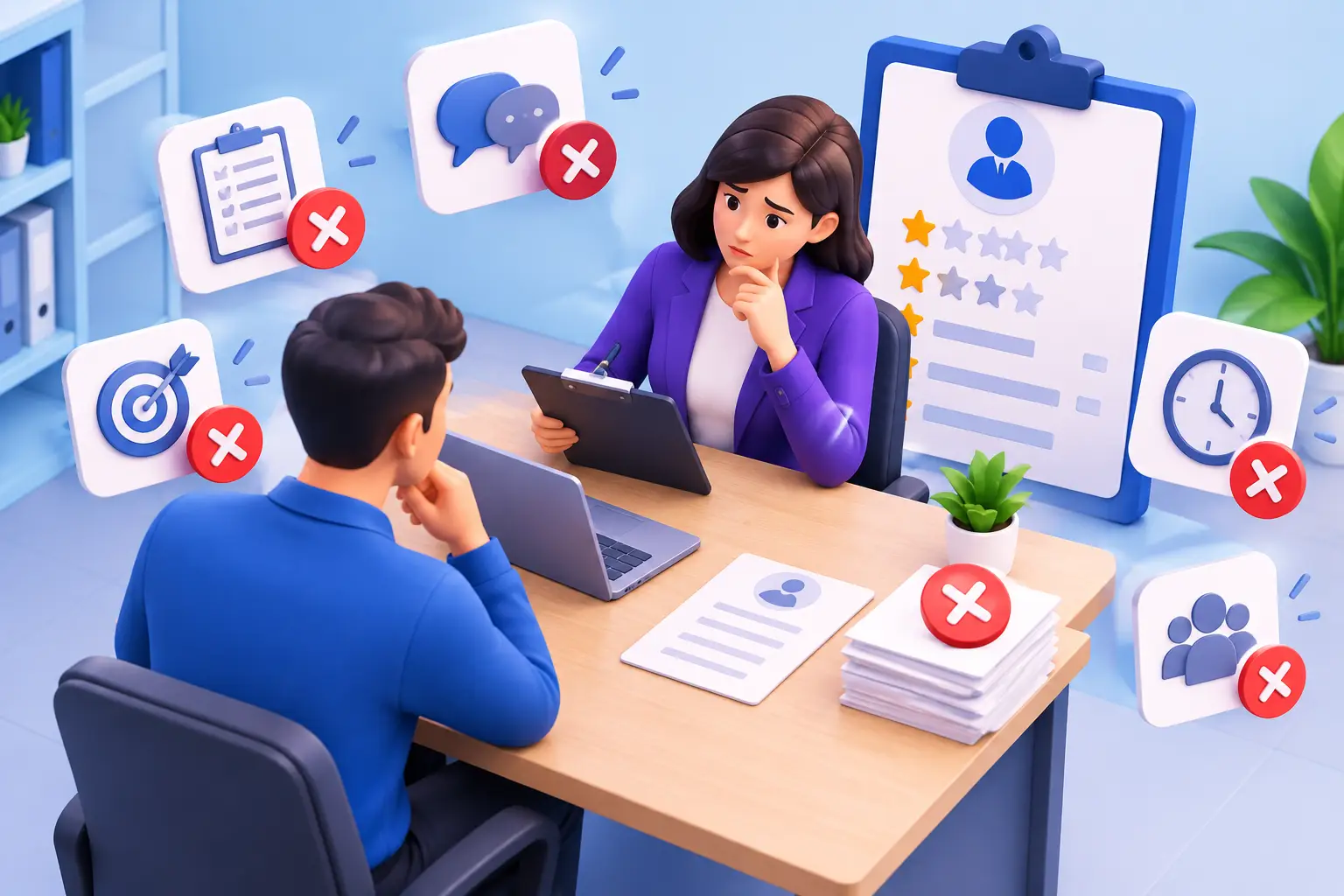
Top Performance Appraisal Process Mistakes
Avoid top performance appraisal process mistakes that undermine fairness, evidence and manager accountability, with practical controls for better reviews.

Peer Feedback vs Manager Feedback: What Works?
Peer feedback vs manager feedback serves different evidence needs. Learn how to combine both in a fair, structured performance review process at scale.
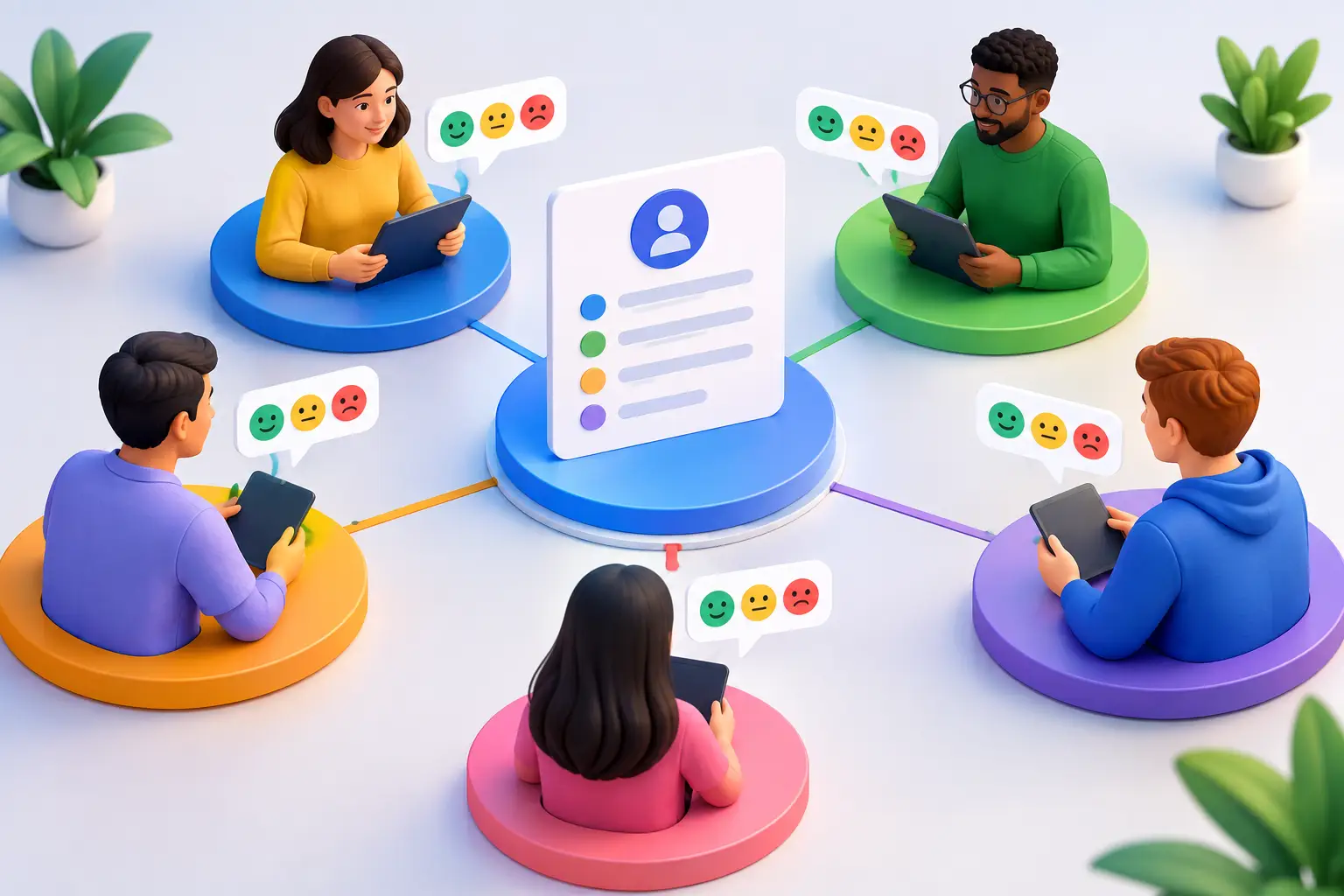
How to Collect Peer Feedback Without Bias
Learn how to collect peer feedback with clear criteria, confidential workflows and useful follow-through that improves review quality and fairer reviews.

Talent Calibration That Produces Defensible Decisions
Talent calibration replaces subjective review debates with role-based evidence, blind assessments and clear manager actions for fairer people decisions.
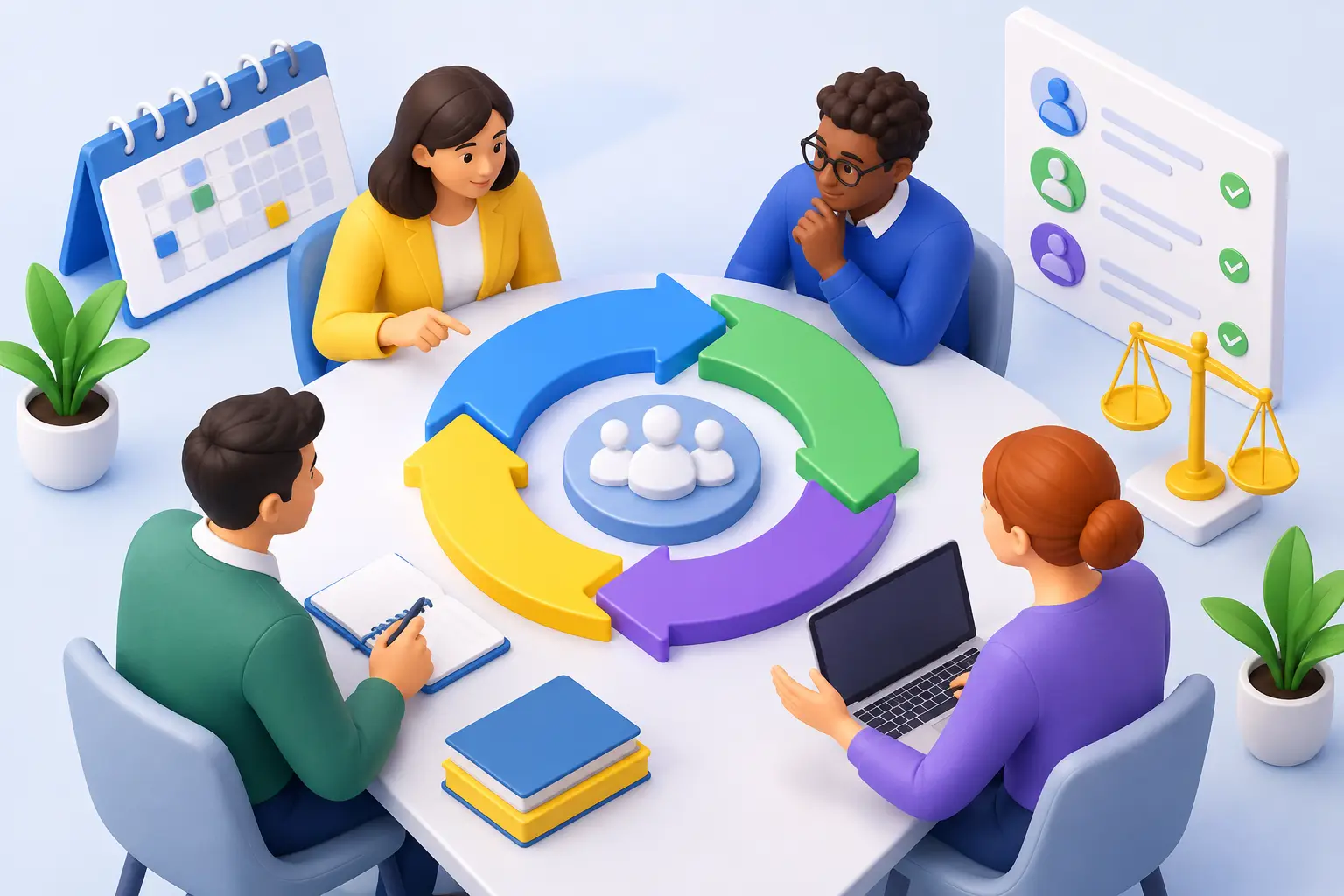
Review Cycle Planning Guide for Fairer Decisions
This review cycle planning guide gives HR teams a practical framework for fair, evidence-based reviews, blind submissions and calibrated decisions at work.
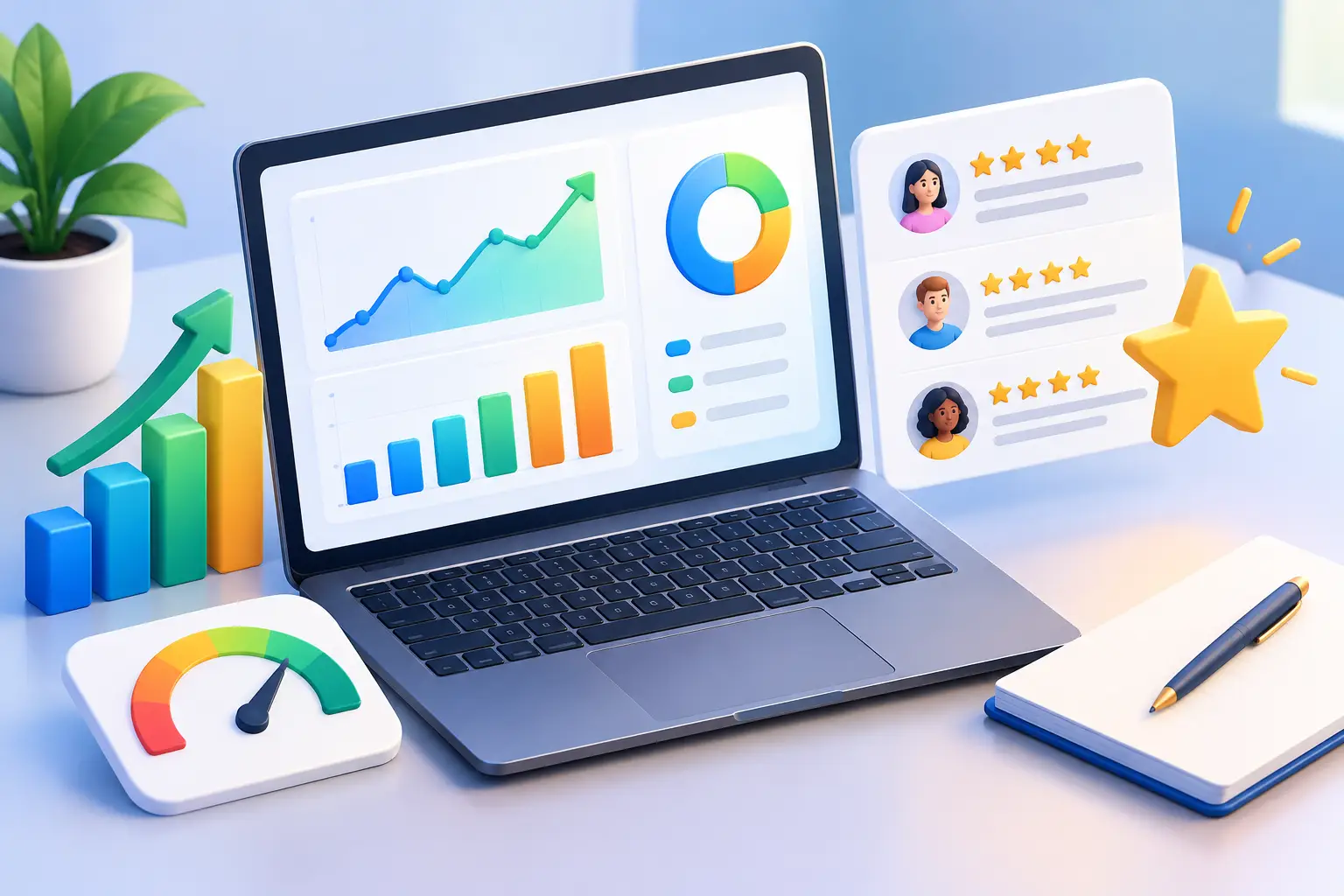
Performance Analytics That Improve Reviews
Performance analytics turns review evidence into clearer decisions. Learn how HR teams measure role-based performance, reduce bias and act with confidence.

25 Best Employee Feedback Questions for Fair Reviews
Use the best employee feedback questions to surface evidence, reduce bias and run clearer, more consistent performance reviews across every business team.
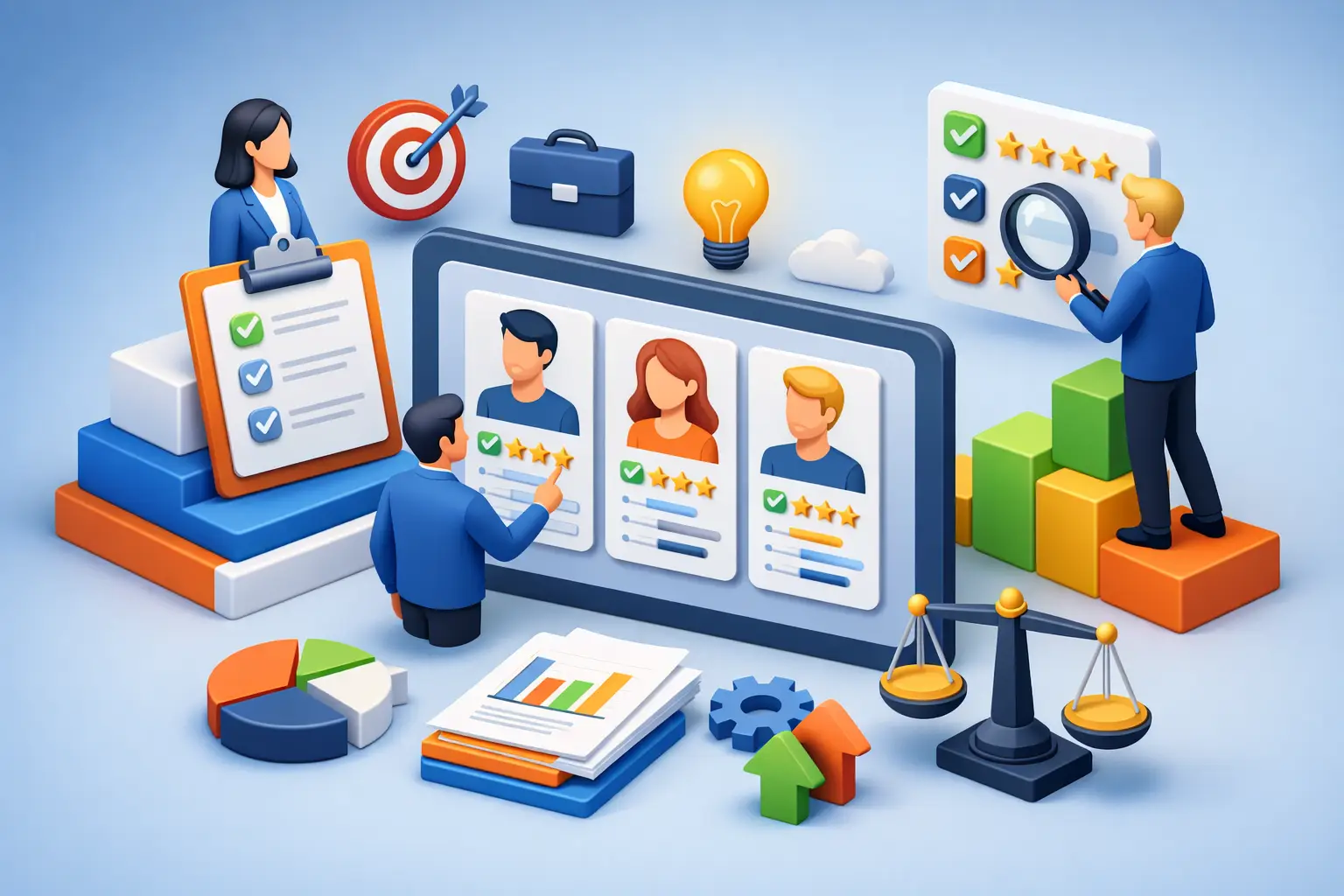
How to Define Role Outcomes for Fairer Reviews
Learn how to define role outcomes for fairer reviews, sharper manager judgement and consistent evidence across roles, teams and review cycles at scale.
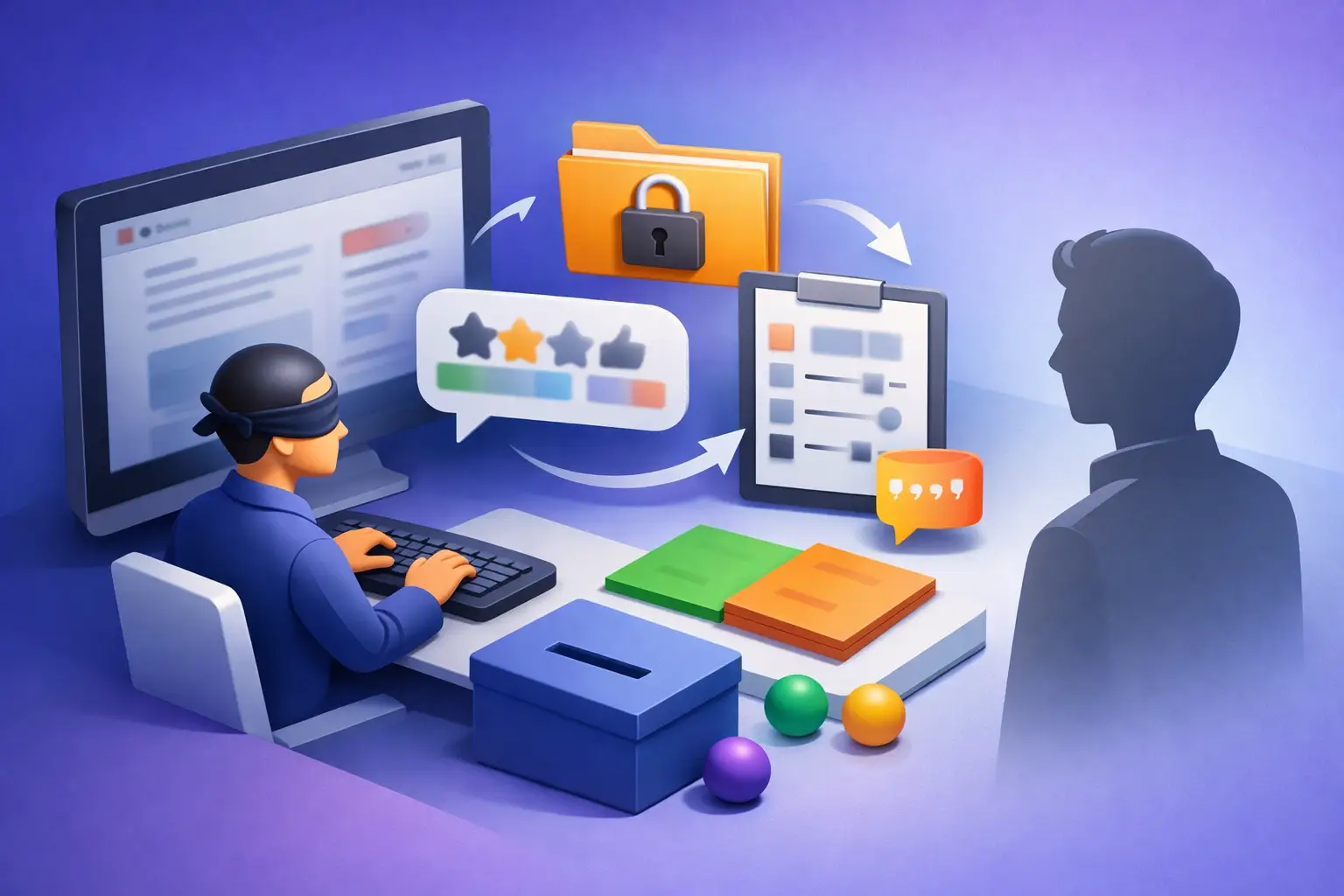
A Practical Guide to Blind Feedback Workflows
A guide to blind feedback workflows for HR teams: reduce premature influence, improve review quality, and create clearer manager discussions at team scale.
15 Best Performance Goal Examples for Teams
Use these best performance goal examples to set clear, fair measures for employees, reduce review bias and improve manager conversations at scale today.
Why Use Review Rubrics for Fairer Assessments
Why use review rubrics? They set clear standards, reduce bias and give managers a defensible basis for consistent performance decisions across all teams.
360 Feedback That Produces Better Decisions
360 feedback gives leaders a broader view of performance. Learn how to design a fair, useful process that produces better manager conversations at scale.
How to Evaluate Role Responsibilities Fairly
Learn how to evaluate role responsibilities with clear evidence, task-level criteria and blind review controls for fairer, consistent performance decisions.
Goal Setting for Fair Evaluations That Holds Up
Goal setting for fair evaluations turns role expectations into observable evidence, reducing bias and giving managers a defensible review process at scale.
Performance Appraisal Platforms That Improve Fairness
Performance appraisal platforms should improve evidence, reduce bias and give managers a clearer basis for fair, consistent employee reviews at scale.
How to Align Self Evaluations With Manager Reviews
Learn how to align self evaluations with manager reviews using shared criteria, blind submission and focused evidence for fairer performance decisions.
Calibration Meeting Agenda Template for Fairer Reviews
Use this calibration meeting agenda template to run evidence-led review discussions, reduce bias, resolve rating gaps and document all key decisions consistently.

AI Job Description Analysis for Fair Reviews
AI job description analysis turns role documents into clear review criteria, helping Australian HR teams assess performance fairly and with confidence.
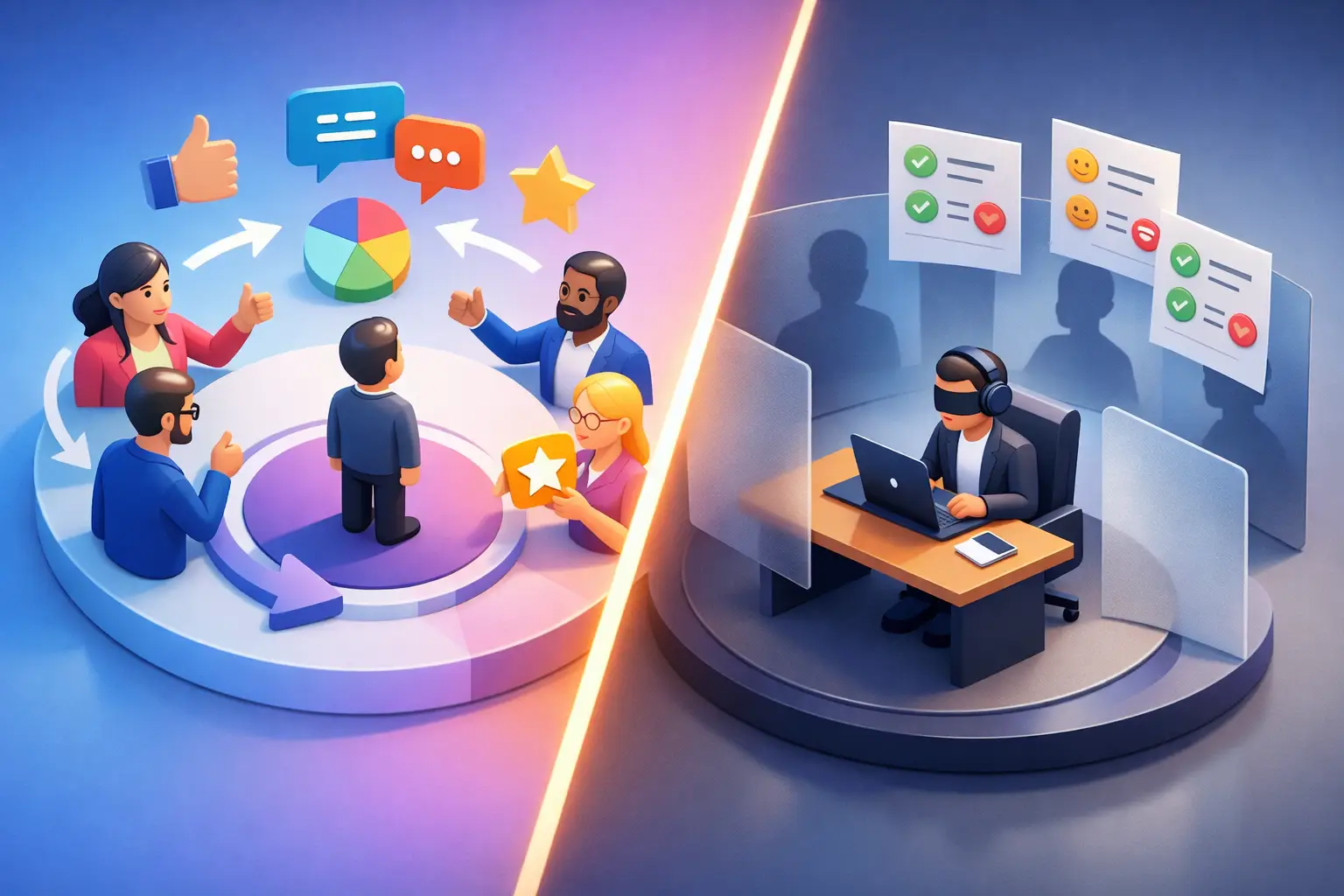
360 Feedback vs Blind Reviews for Fairer Decisions
Compare 360 feedback vs blind reviews to reduce bias, improve accountability and run more defensible performance conversations across your organisation.
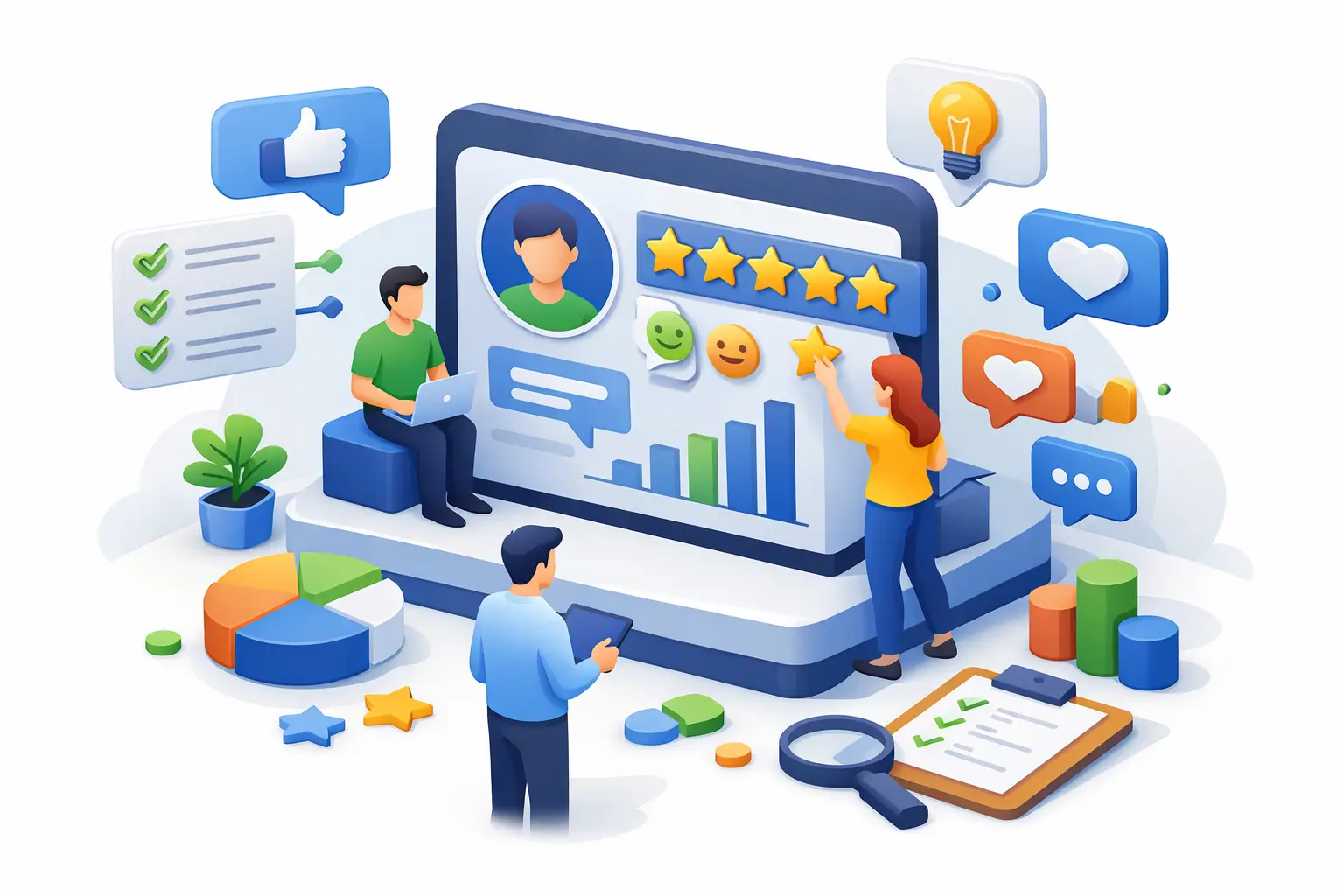
Employee Feedback Platforms That Improve Reviews
Employee feedback platforms create evidence, reduce bias and improve conversations. Learn what to assess before selecting a system for consistent reviews.
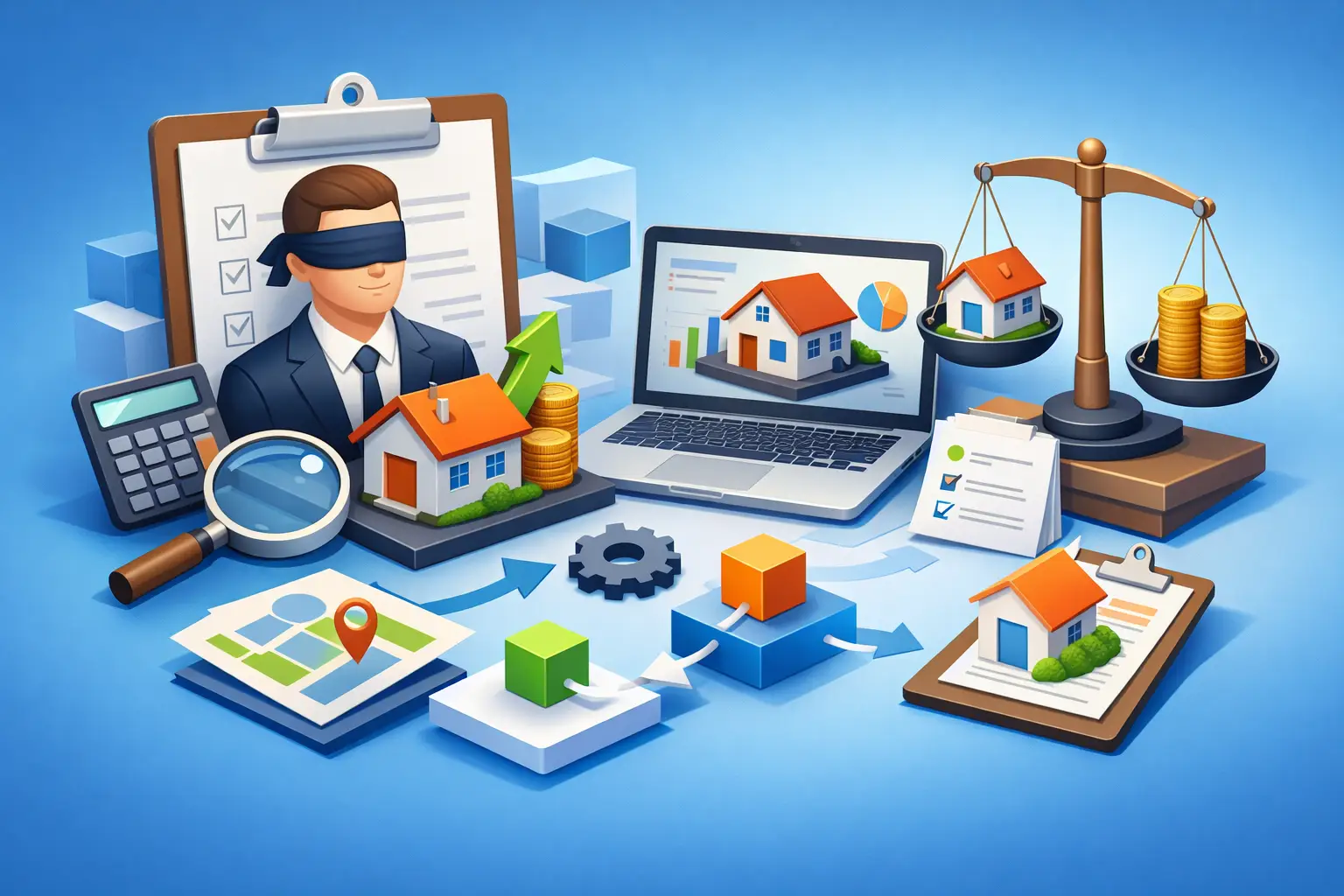
Blind Appraisal Workflow Implementation Guide
Follow this blind appraisal workflow implementation guide to reduce bias, set clear controls, and run fairer, evidence-led performance reviews at scale.
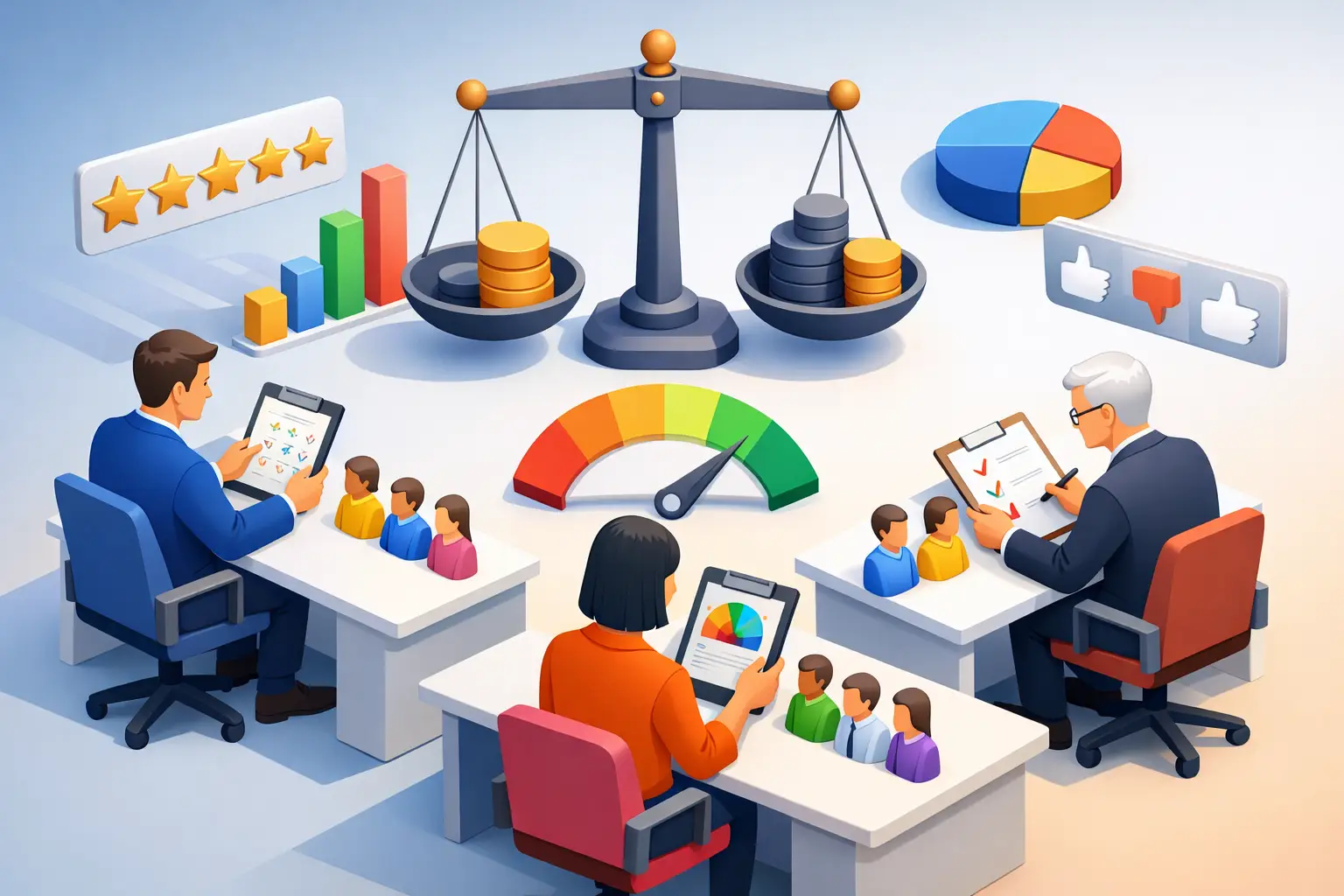
Why Do Managers Rate Differently at Work?
Why do managers rate differently? See how role clarity, evidence, rating standards and blind review design produce fairer performance decisions at scale.
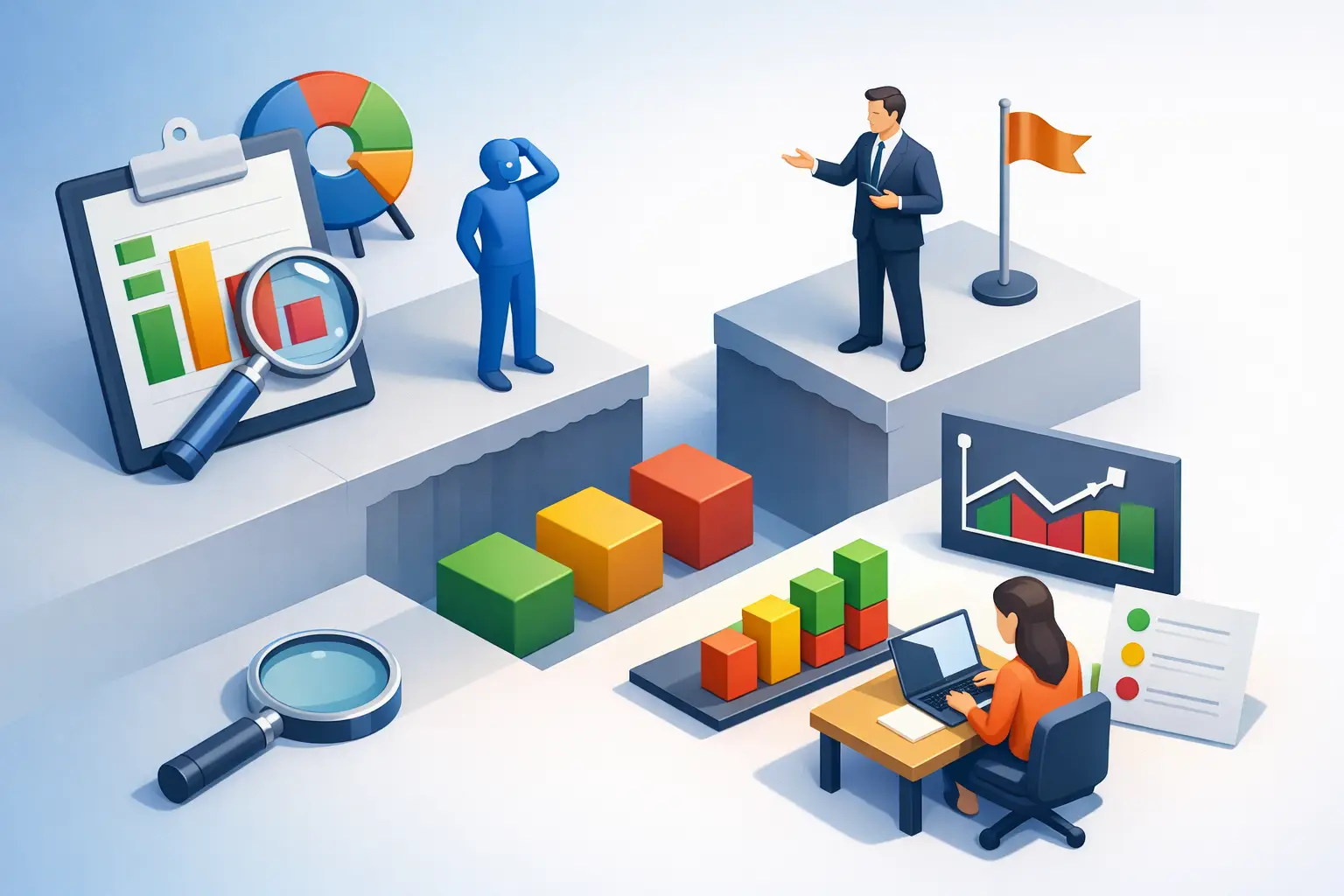
How to Identify Performance Gaps Fairly
Learn how to identify performance gaps with role-based evidence, blind reviews and focused manager conversations that lead to fairer decisions at scale.
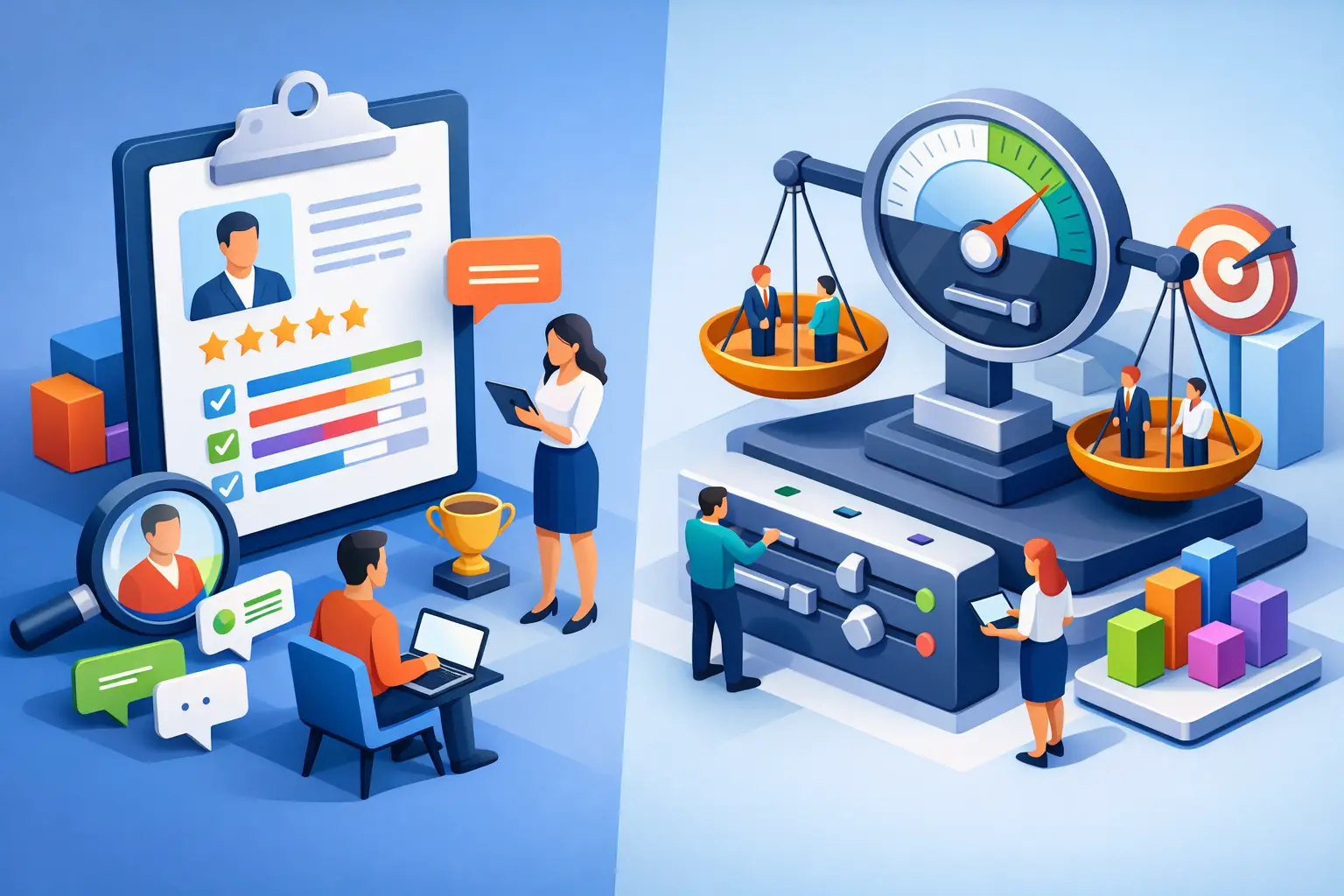
Performance Reviews vs Calibration Explained
Performance reviews vs calibration: learn how each process improves fairness, reduces manager bias and creates defensible talent decisions across teams.
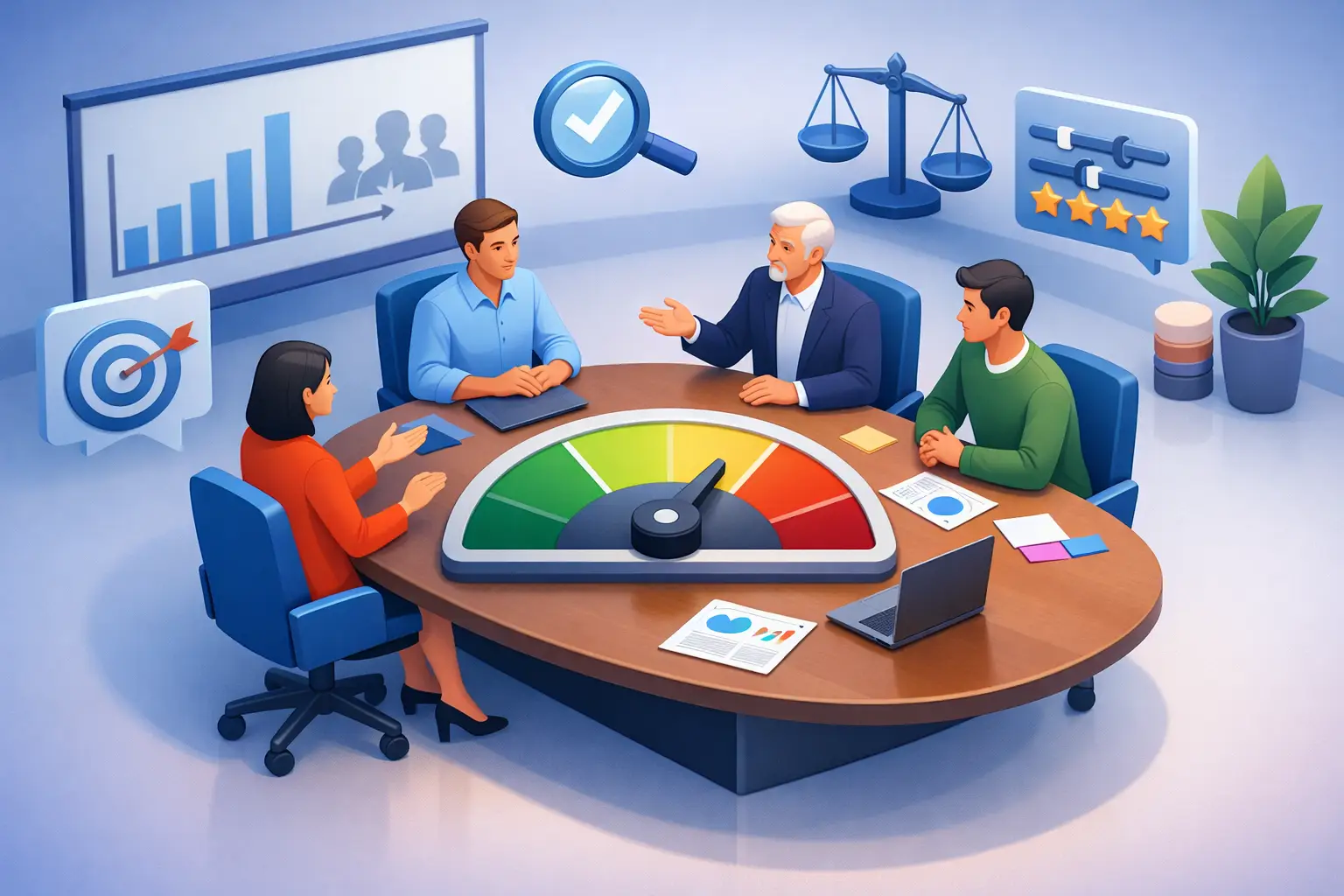
How to Run Calibration Meetings That Hold Up
Learn how to run calibration meetings with clear evidence and blind inputs using decision rules for fairer ratings and stronger manager accountability.
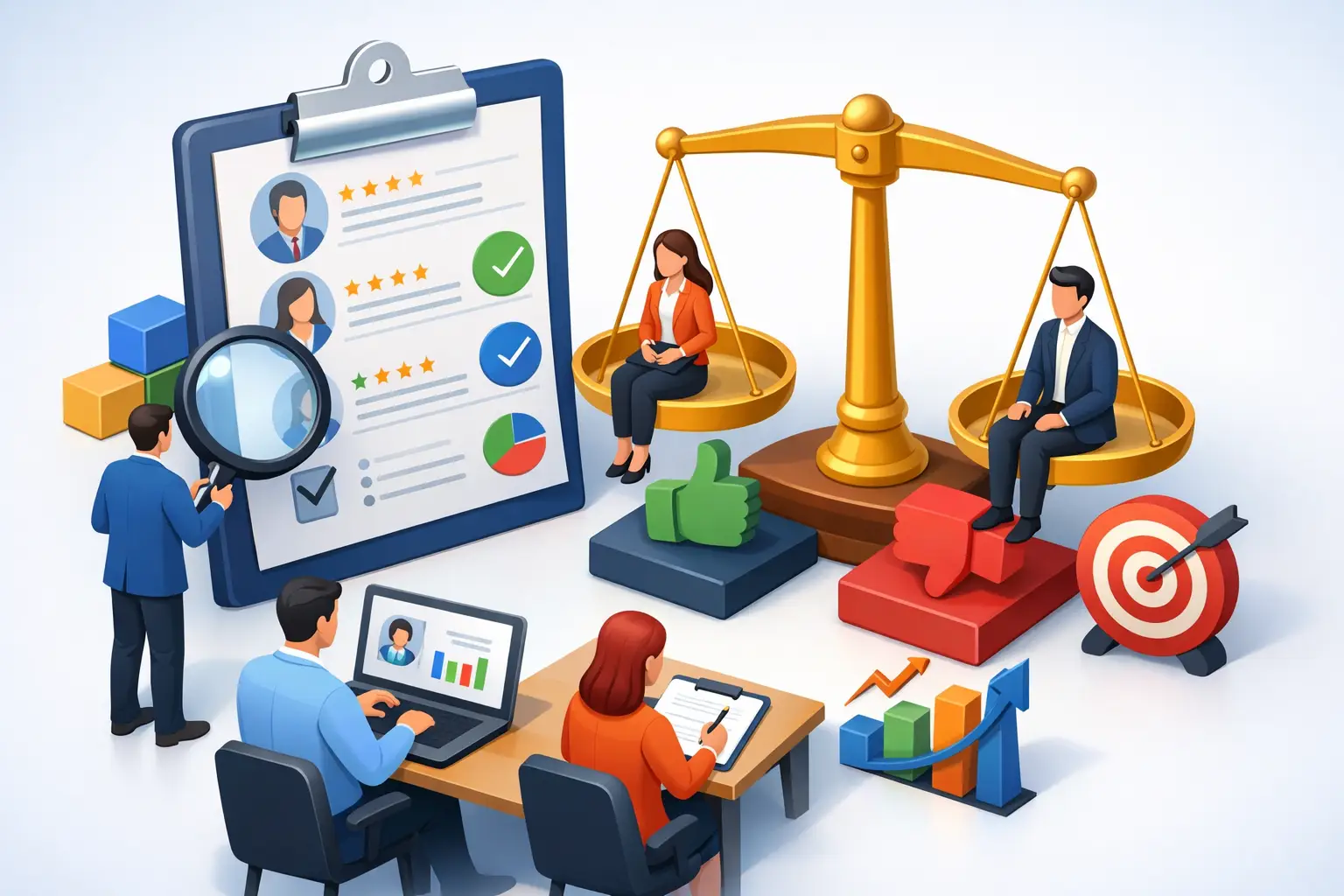
Fair Employee Evaluation Methods That Hold Up
Fair employee evaluation methods reduce bias, improve manager accountability and give HR teams a clear, defensible basis for fair performance decisions.
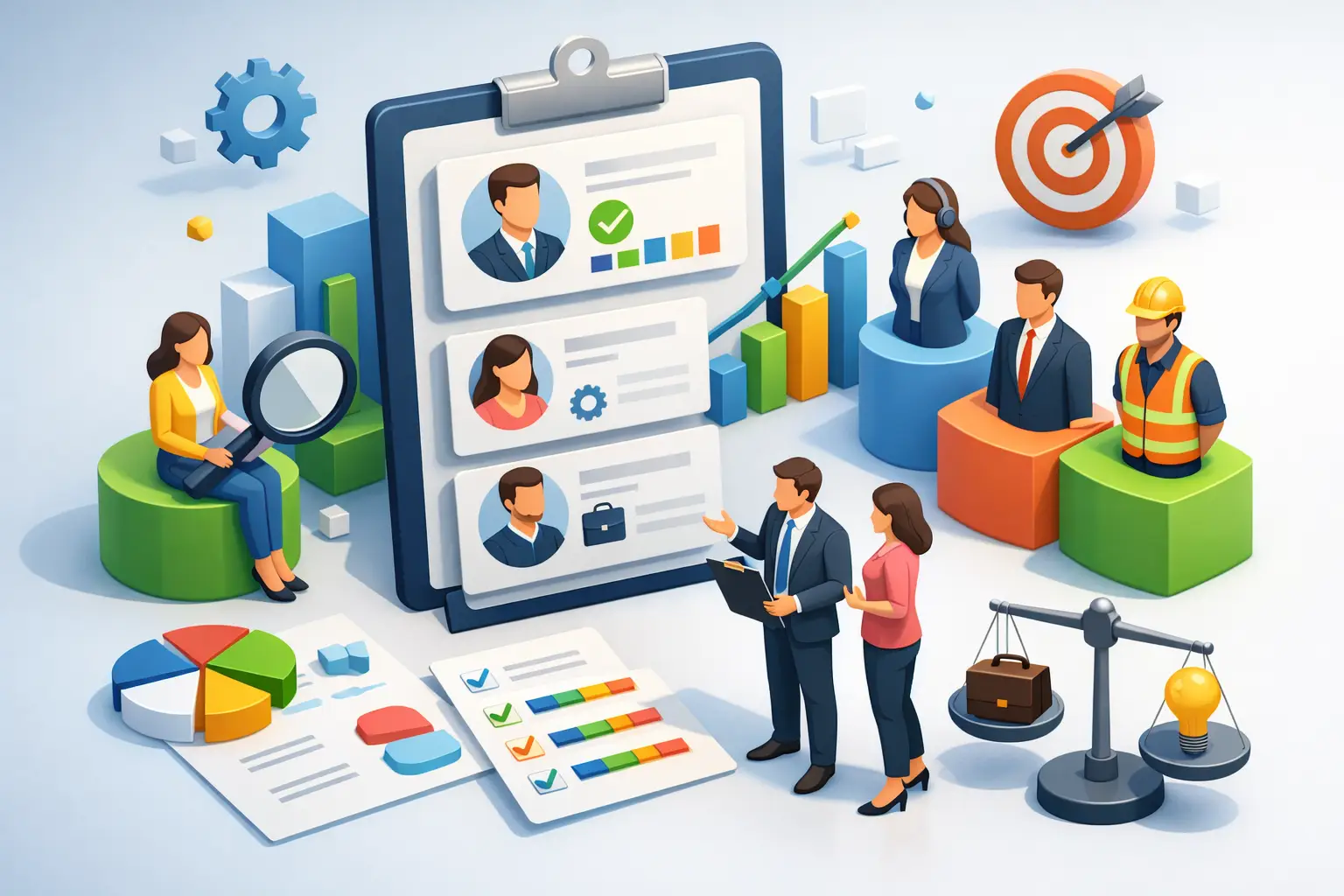
Role Based Employee Assessment That Holds Up
Role based employee assessment aligns evidence, responsibilities and review controls to deliver fairer performance decisions across your organisation.
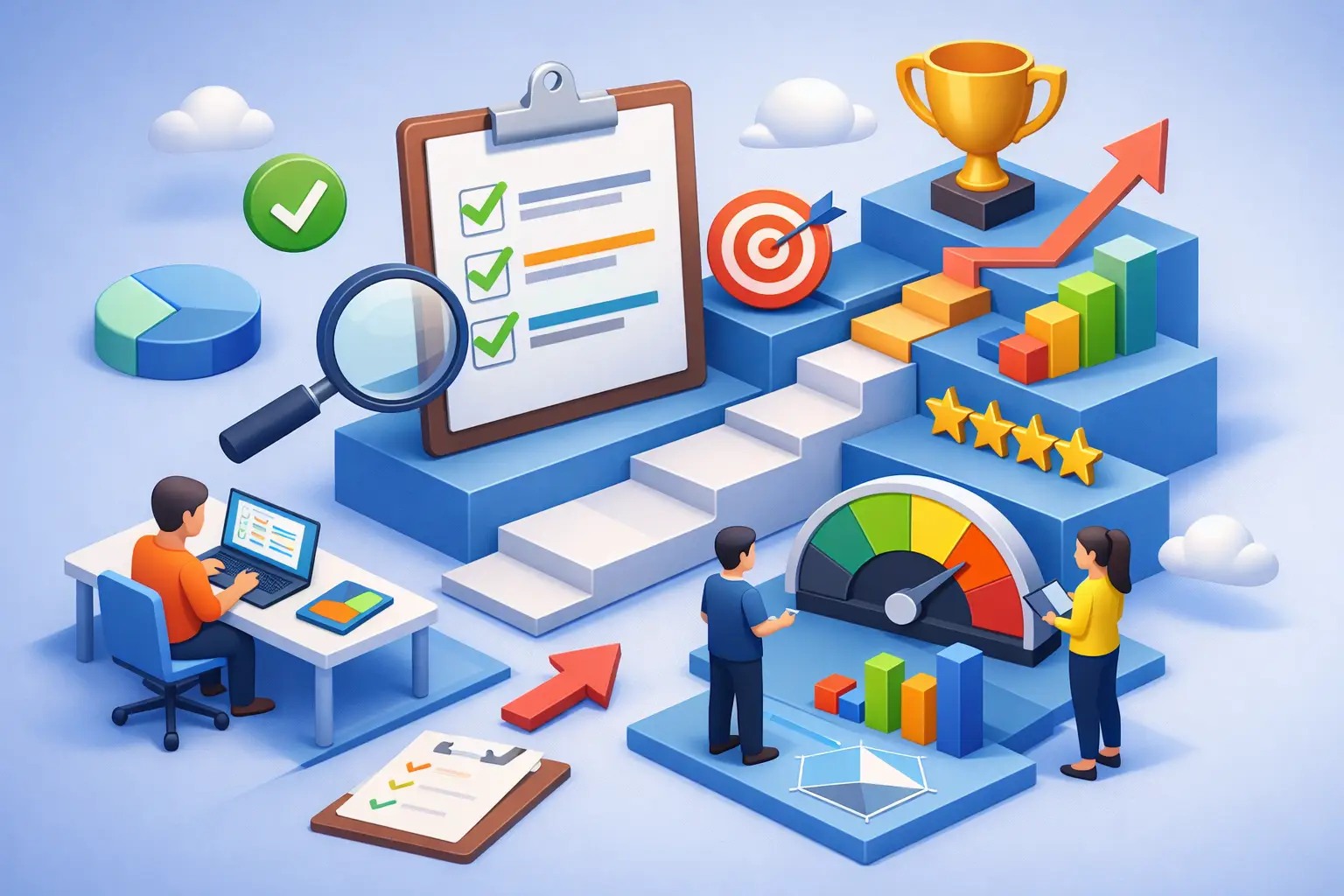
Task Level Performance Assessment That Holds Up
Task level performance assessment gives managers evidence-based review conversations, clearer accountability and a fairer basis for decisions across teams.
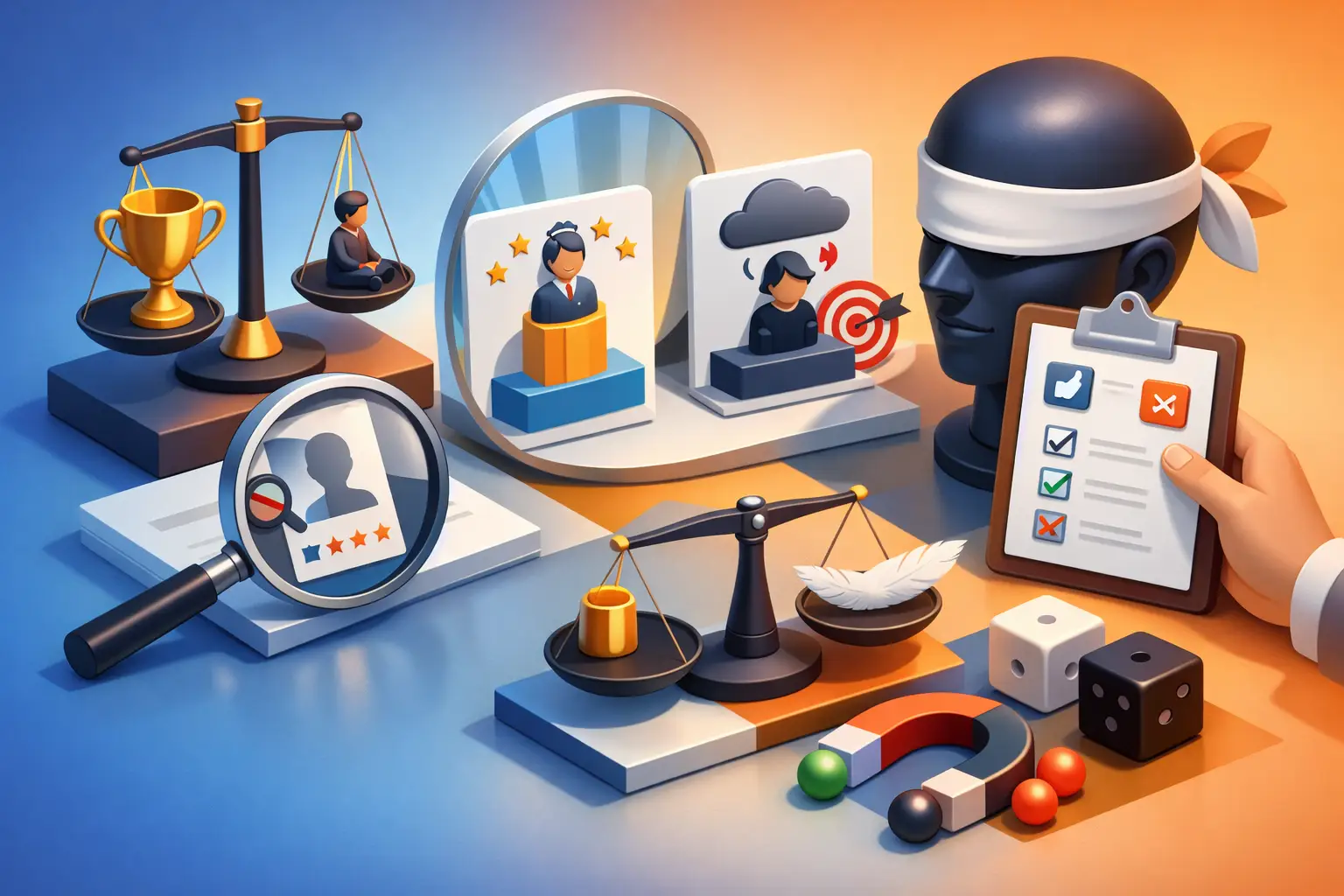
12 Performance Review Bias Examples to Fix
See performance review bias examples, their impact on ratings, and practical controls HR teams can use to run fairer, evidence-based assessments at scale.
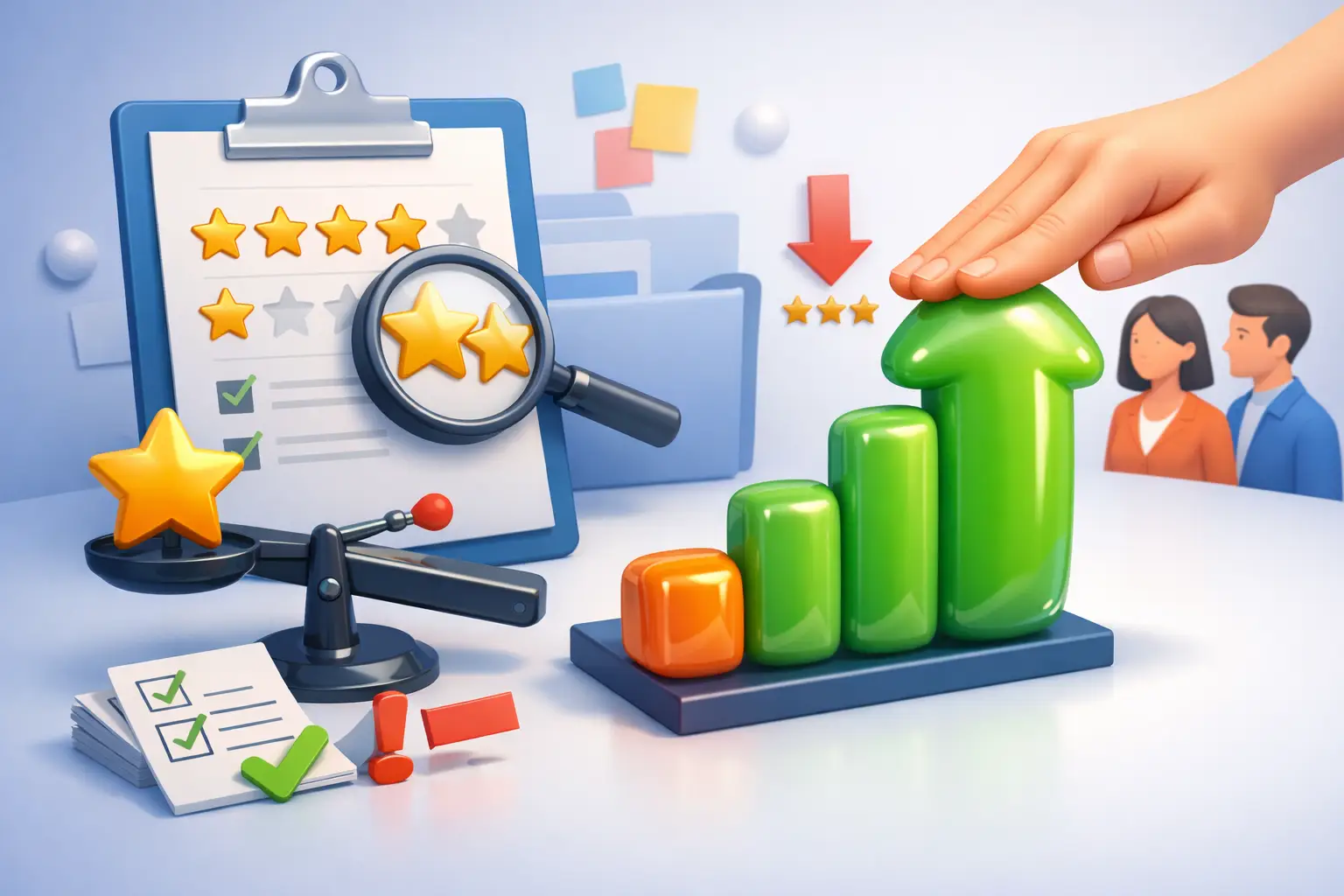
How to Prevent Manager Rating Inflation at Work
Learn how to prevent manager rating inflation with role-based criteria, blind reviews, calibration evidence and accountable manager decisions at scale.
How to Improve Appraisal Fairness at Work
Learn how to improve appraisal fairness with role-based criteria, blind submissions, calibrated evidence and disciplined manager review discussions at work.
Blind 360 Feedback for Fairer Performance Reviews
Blind 360 feedback reduces premature influence in performance reviews, giving HR and managers a clearer basis for fair, evidence-led calibration decisions.
A Guide to Fair Performance Scoring at Work
A guide to fair performance scoring that reduces bias, aligns roles and evidence, and gives managers a clear, defensible review process across teams.
Performance Calibration vs Performance Management
Performance calibration vs performance management: learn how structured, blind reviews reduce bias, strengthen decisions and improve review accountability.
How to Improve Review Consistency at Scale
Learn how to improve review consistency with role-based criteria, blind submissions, evidence standards and calibration controls reduce bias across all teams.
Best Employee Review Software Features That Matter
Compare the best employee review software features for fairer, faster performance assessments, from blind submissions to AI role-based criteria at scale.
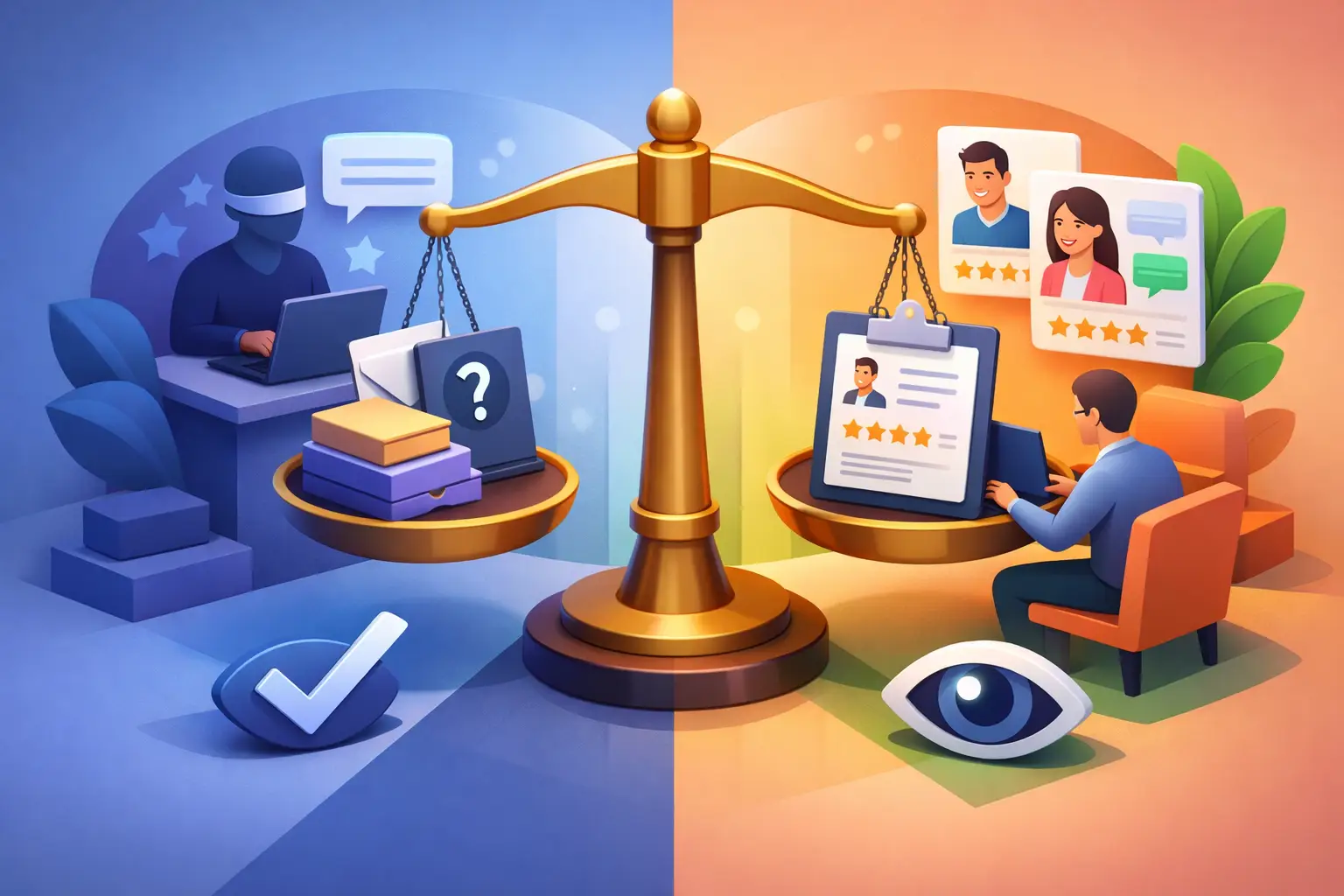
Blind Reviews vs Open Reviews: Which Is Fairer?
Blind reviews vs open reviews: compare bias, accountability and workflow controls to build fairer, more defensible performance assessments at scale.
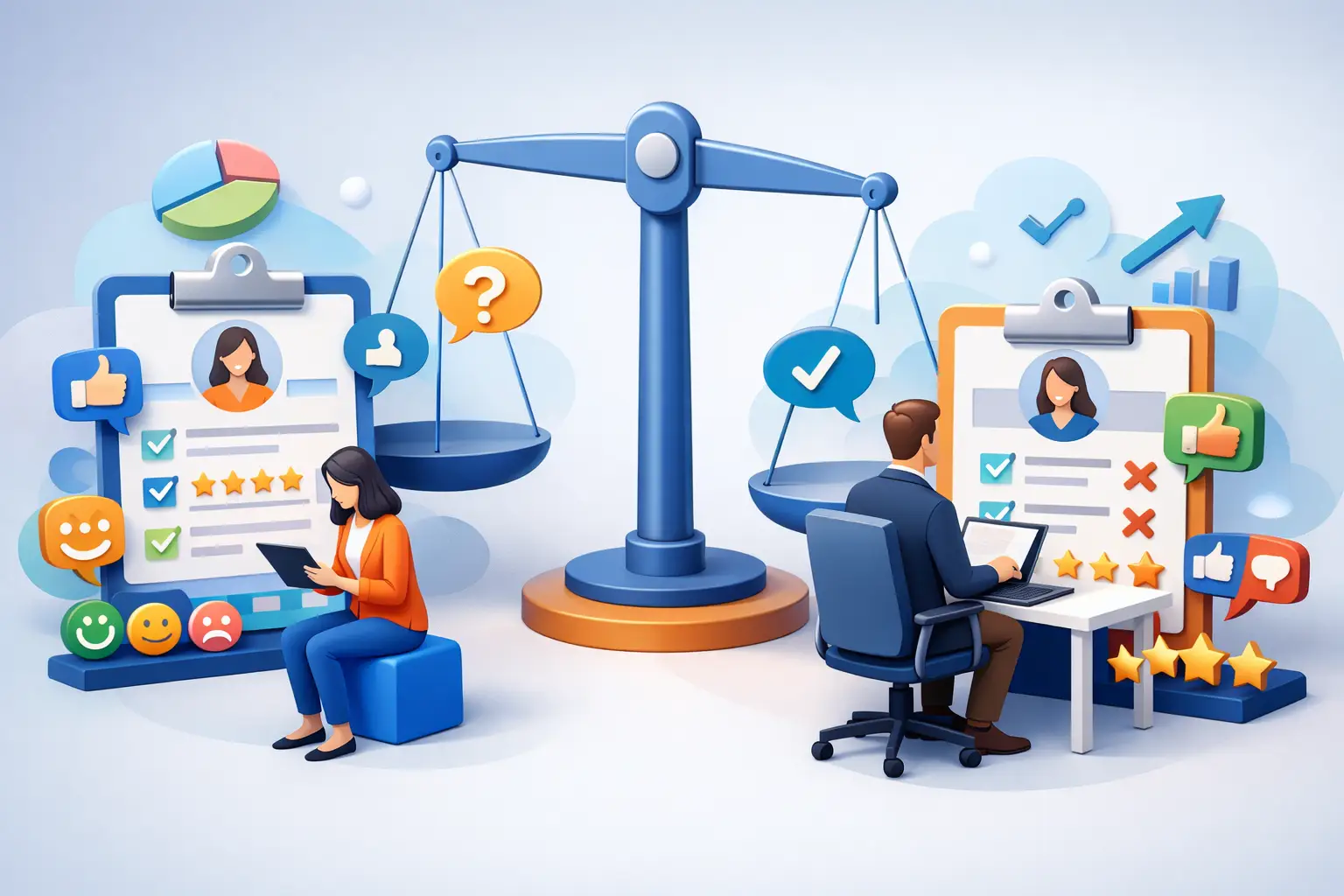
Self Assessment vs Manager Assessment Explained
Self assessment vs manager assessment: learn how blind, role-based reviews expose gaps, reduce bias and produce fair, clearer performance conversations.
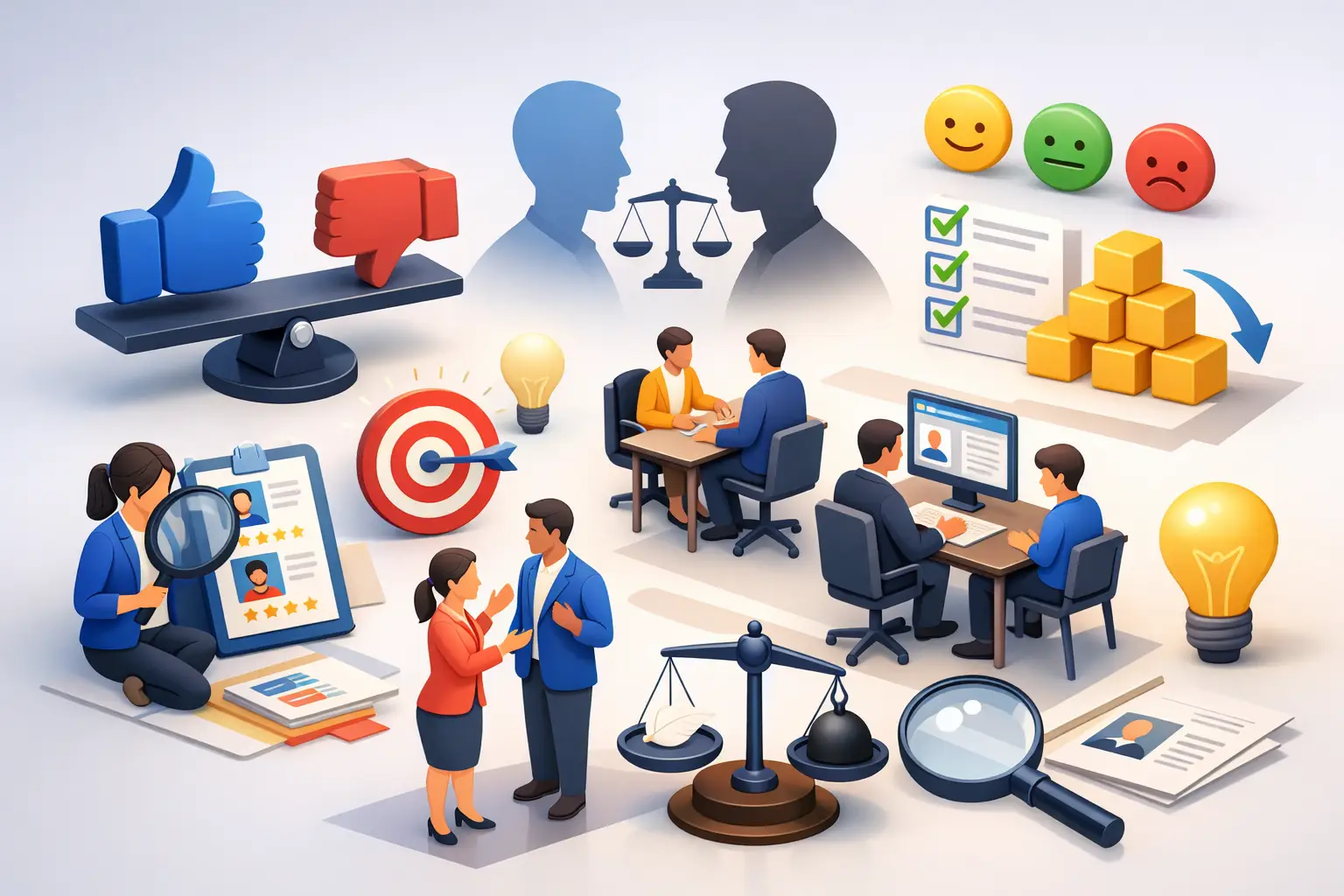
8 Best Ways to Reduce Review Bias at Work
The best ways to reduce review bias: structured criteria, blind submissions and calibration controls that make performance decisions fairer across teams.
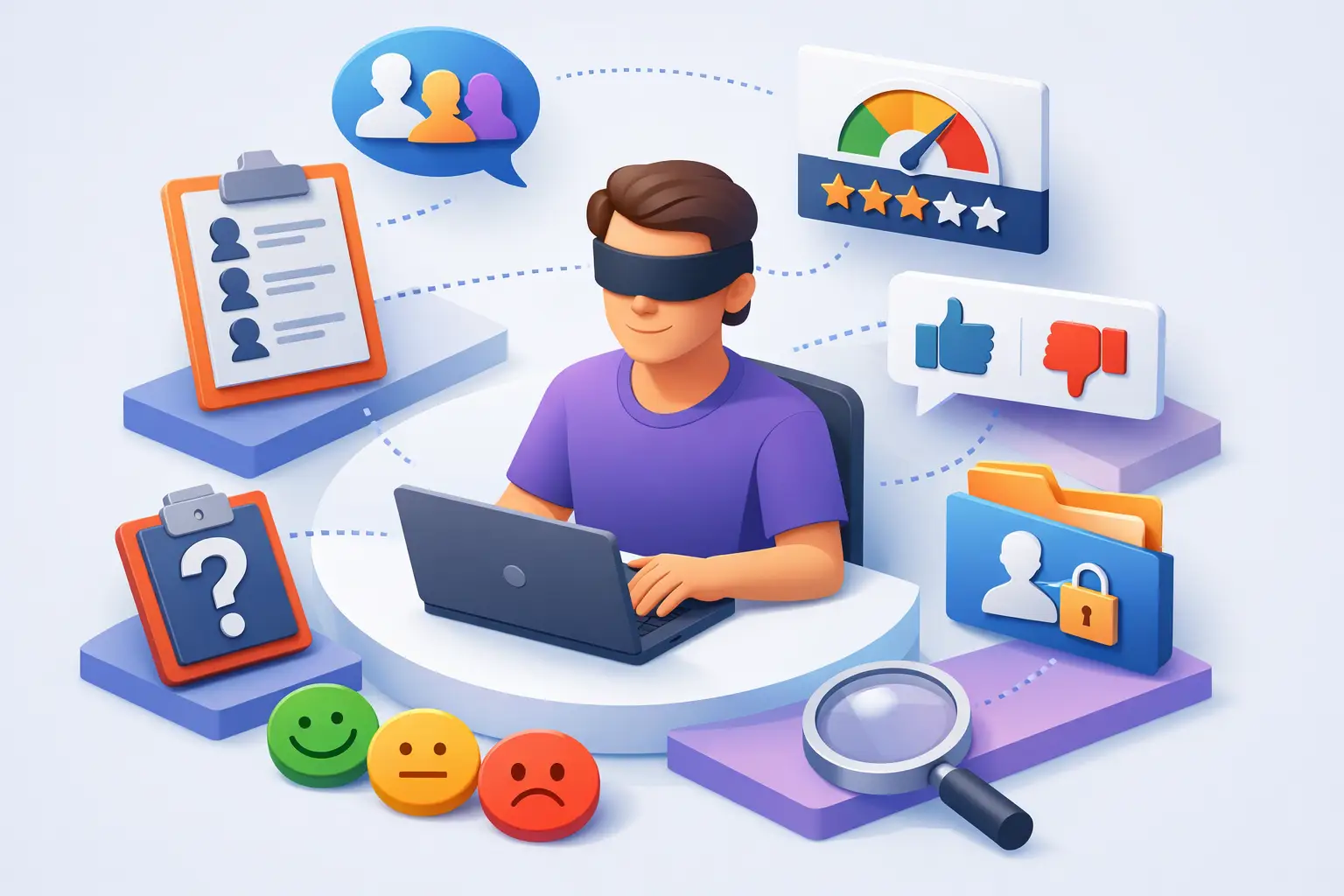
How to Run a Blind 360 Review Without Bias
Learn how to run a blind 360 review with structured criteria, locked submissions and clear calibration steps that reduce bias and improve decisions fairly.

What Causes Bias in Appraisals at Work?
What causes bias in appraisals? Learn the most common sources of review bias and how HR teams can design fairer, more defensible systems.
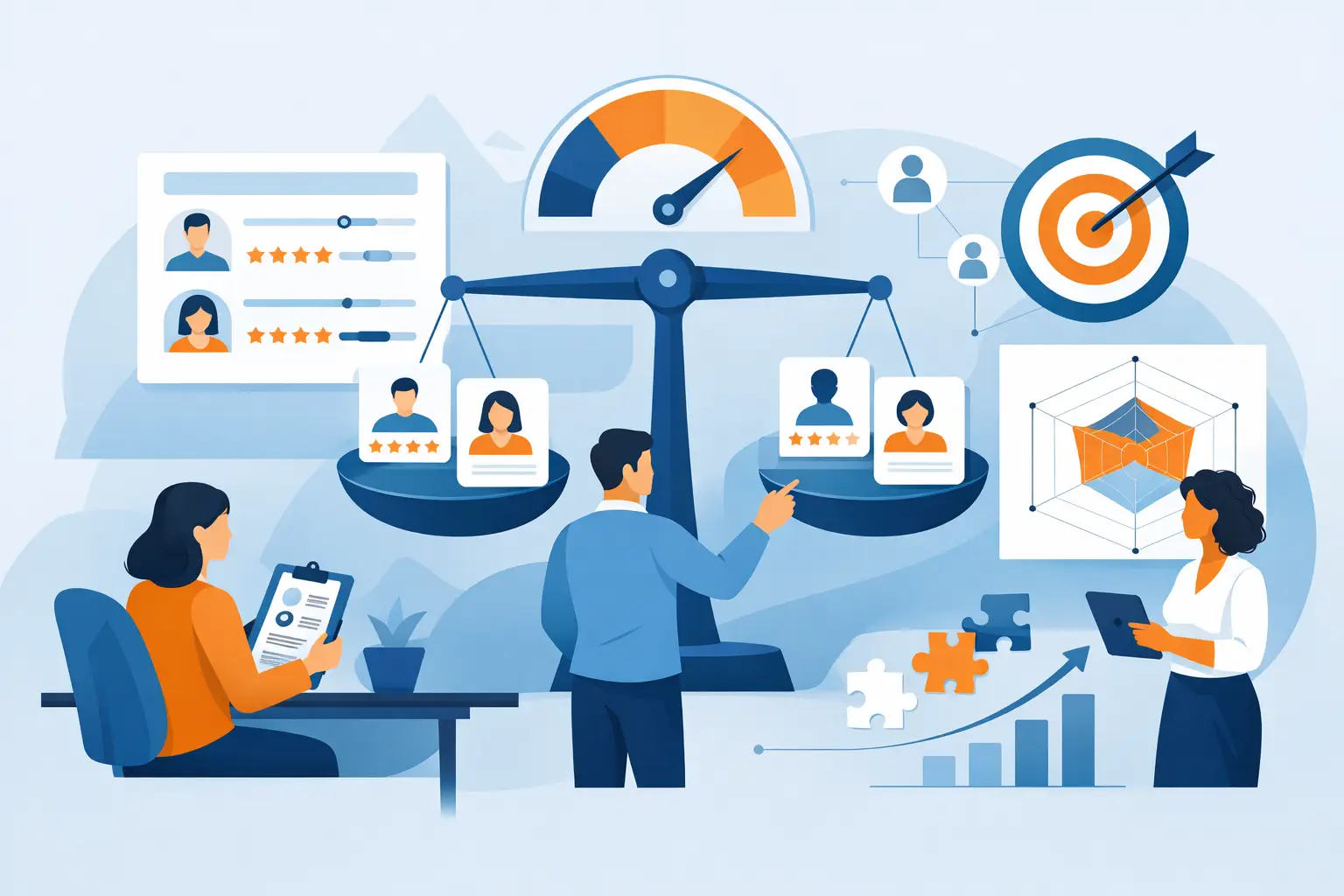
Employee Performance Calibration Guide
Employee performance calibration guide for HR and managers. Improve fairness, reduce bias, and run consistent reviews with a structured process.
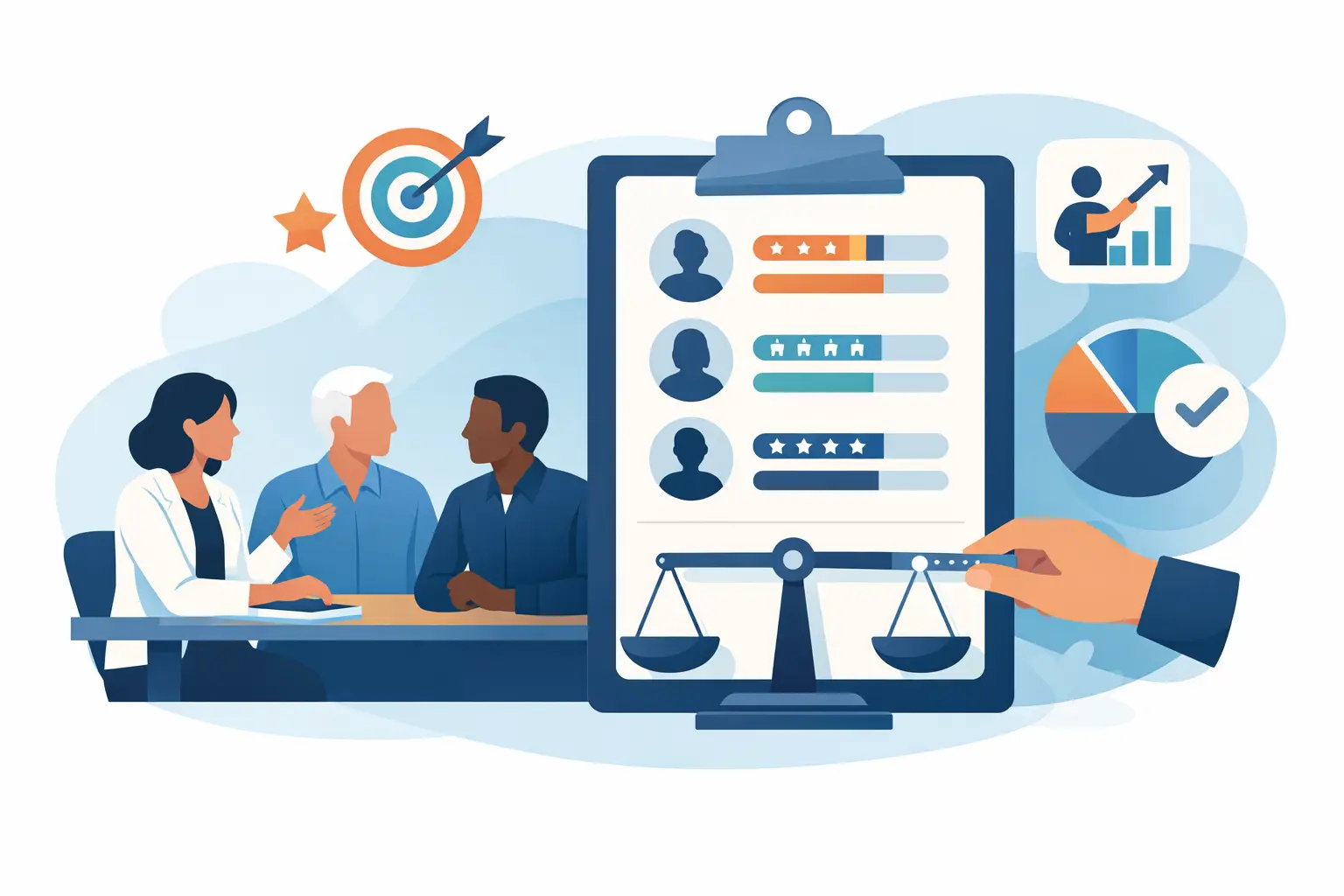
What Is Performance Calibration in HR?
What is performance calibration in HR? Learn how it improves fairness, reduces bias, and creates more consistent employee reviews at scale.
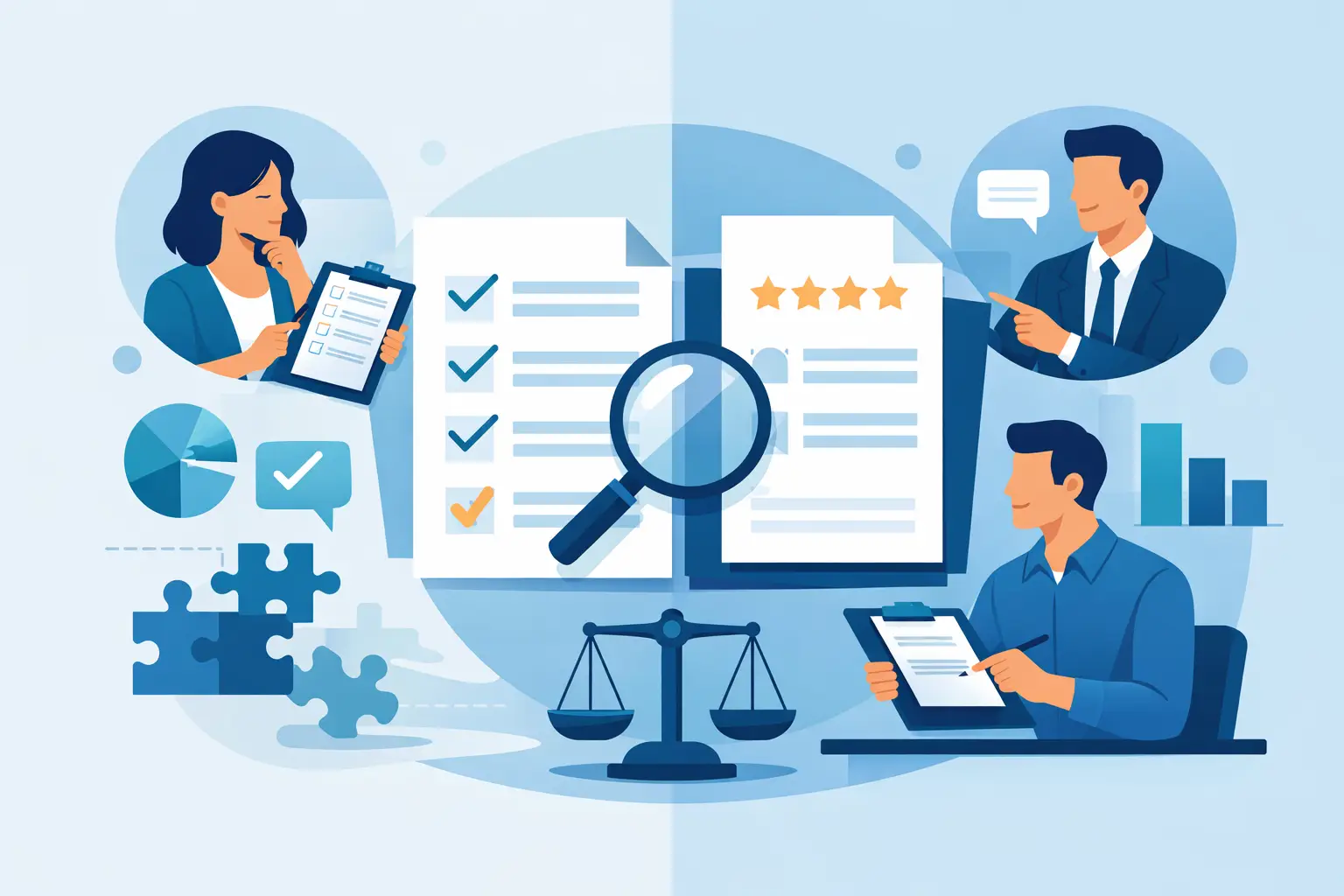
How to Compare Self Assessment and Manager Review
Learn how to compare self assessment and manager review with a structured, bias-aware method that improves fairness, alignment and review quality.
Performance Review Tool for Managers
A performance review tool for managers should reduce bias, tighten criteria and improve calibration across teams with clearer, fairer assessments.
HR Performance Management SaaS That Improves Fairness
HR performance management SaaS can reduce bias, tighten calibration and improve review quality with structured workflows, blind inputs and AI.

Multi Tenant HR Software That Scales Fairly
Multi tenant HR software helps teams standardise reviews, reduce bias and scale governance across entities without adding admin overhead.
Employee Evaluation Portal: What Matters
An employee evaluation portal should improve fairness, reduce bias and give HR teams clearer, more defensible review outcomes at scale.
Blind Self Assessment Tool for Fairer Reviews
A blind self assessment tool helps HR and managers reduce bias, improve calibration, and compare employee and manager ratings fairly.
Why Calibration Session Software Matters
Calibration session software helps HR and managers run fairer, faster, more consistent reviews with less bias and clearer performance decisions.
Choosing a Manager Employee Assessment Tool
Learn how a manager employee assessment tool improves fairness, reduces bias and gives HR teams a more accurate basis for reviews.
KPI Extraction AI for Fairer Reviews
KPI extraction AI helps HR teams turn role data into clearer, fairer performance measures with less manual effort and stronger review consistency.
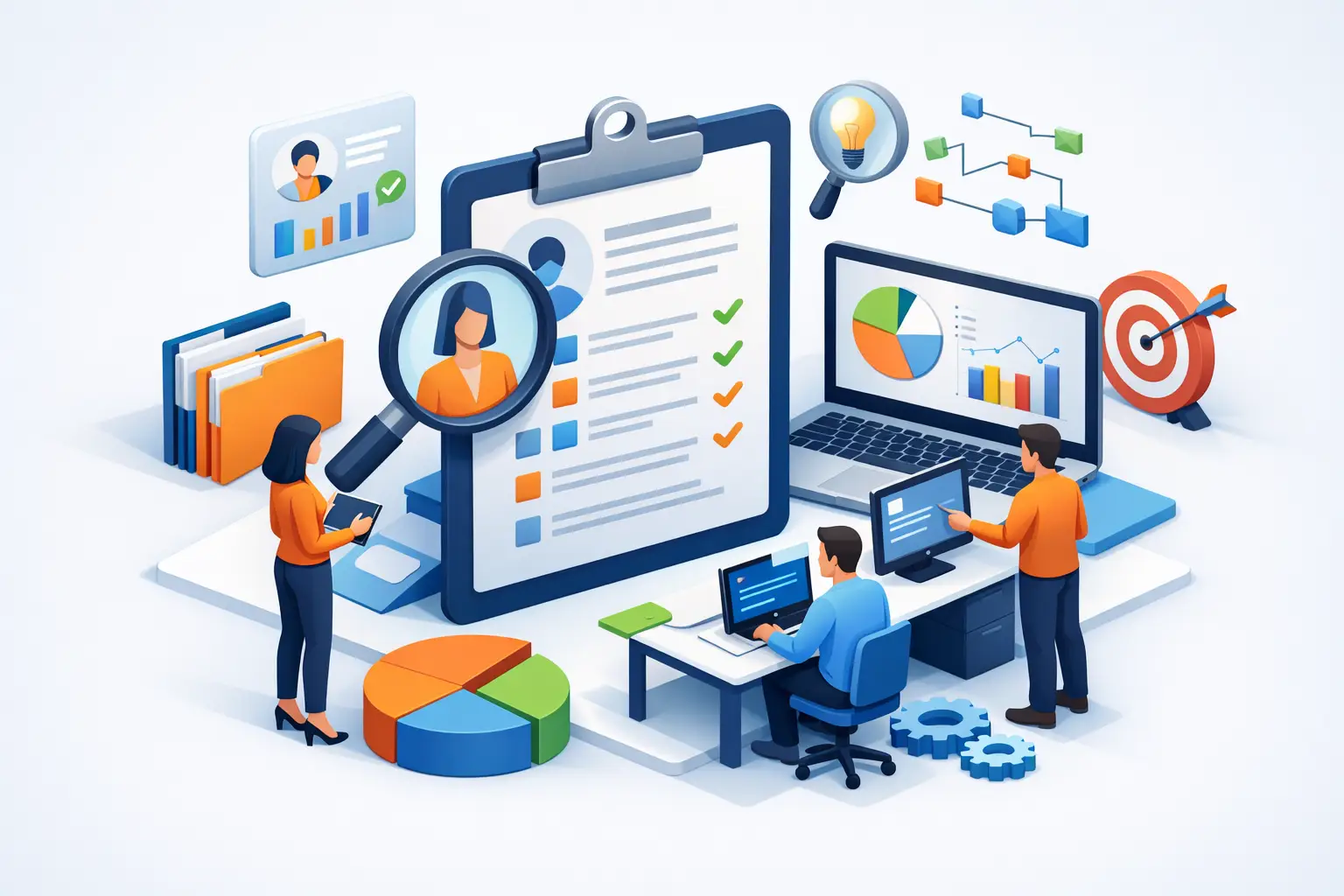
What a Position Description Analysis Tool Solves
A position description analysis tool helps HR teams turn role documents into fairer, clearer performance criteria with less bias and admin.
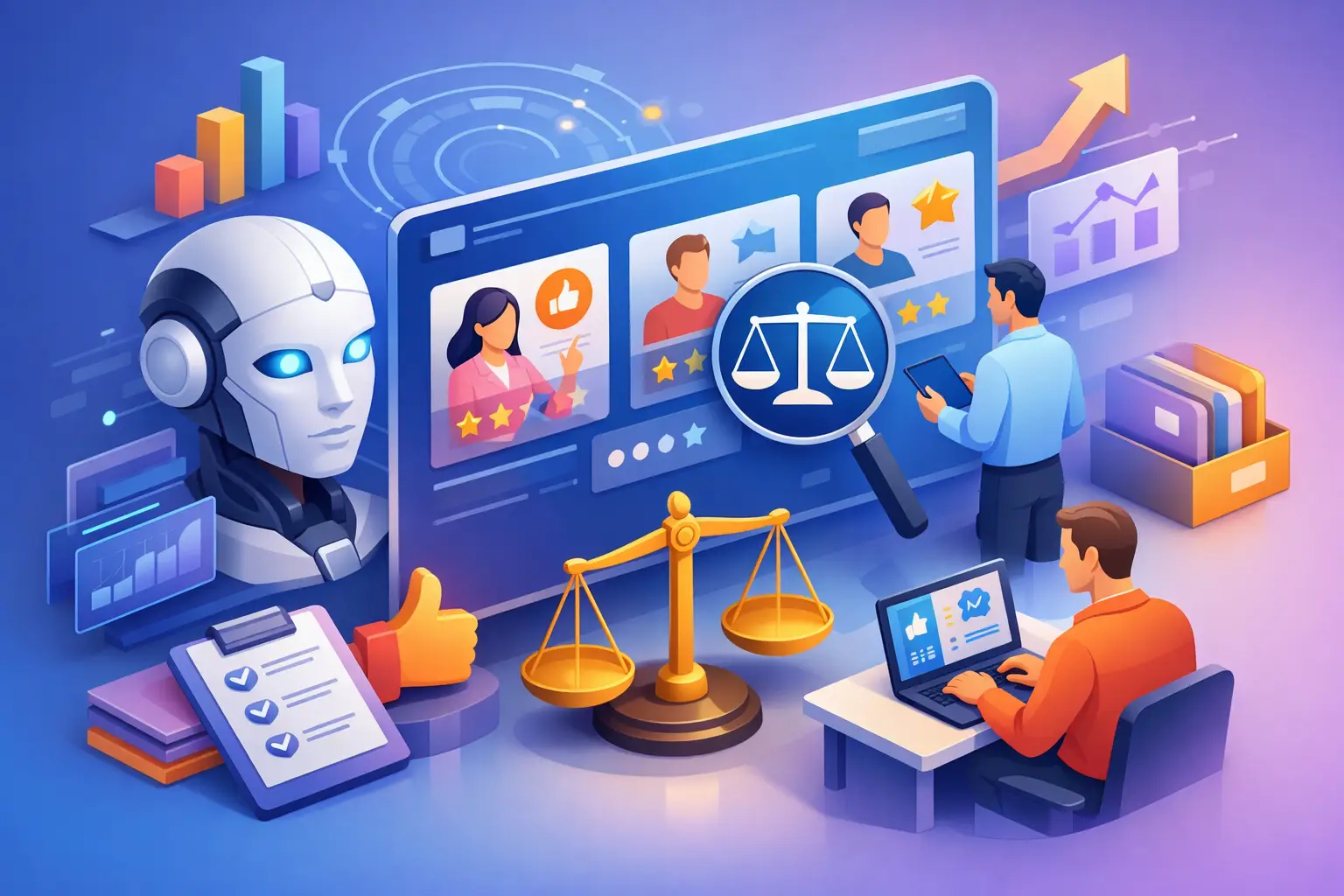
How AI Performance Review Software Improves Fairness
AI performance review software improves review quality, reduces bias and helps HR teams run fairer, more consistent assessments at scale.
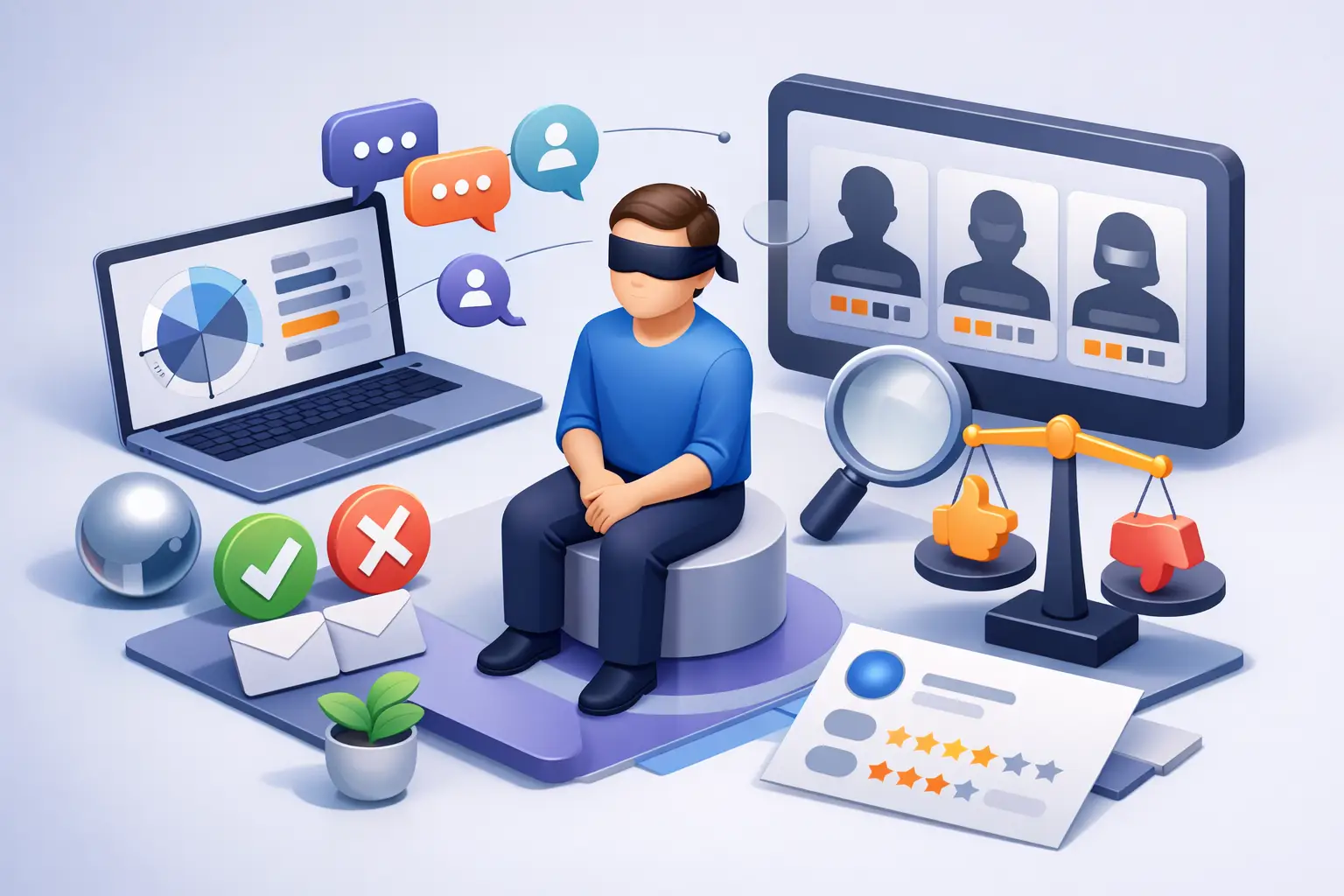
Blind 360 Review Software That Reduces Bias
Blind 360 review software helps HR teams reduce bias, improve calibration and run fairer performance reviews with clearer, more defensible data.
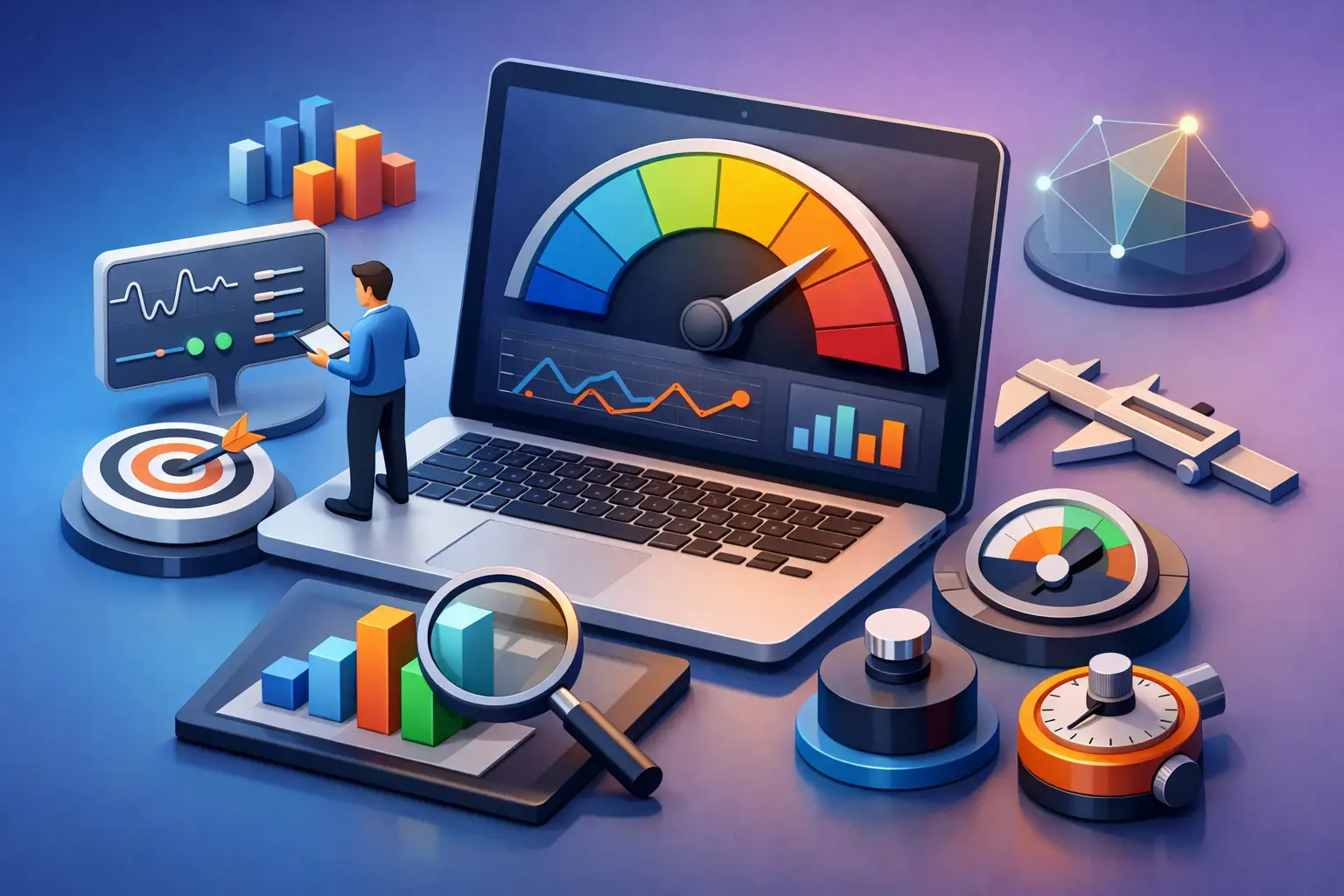
Why Performance Calibration Software Matters
Performance calibration software helps HR and managers reduce bias, improve review accuracy, and run fairer, more consistent assessments at scale.
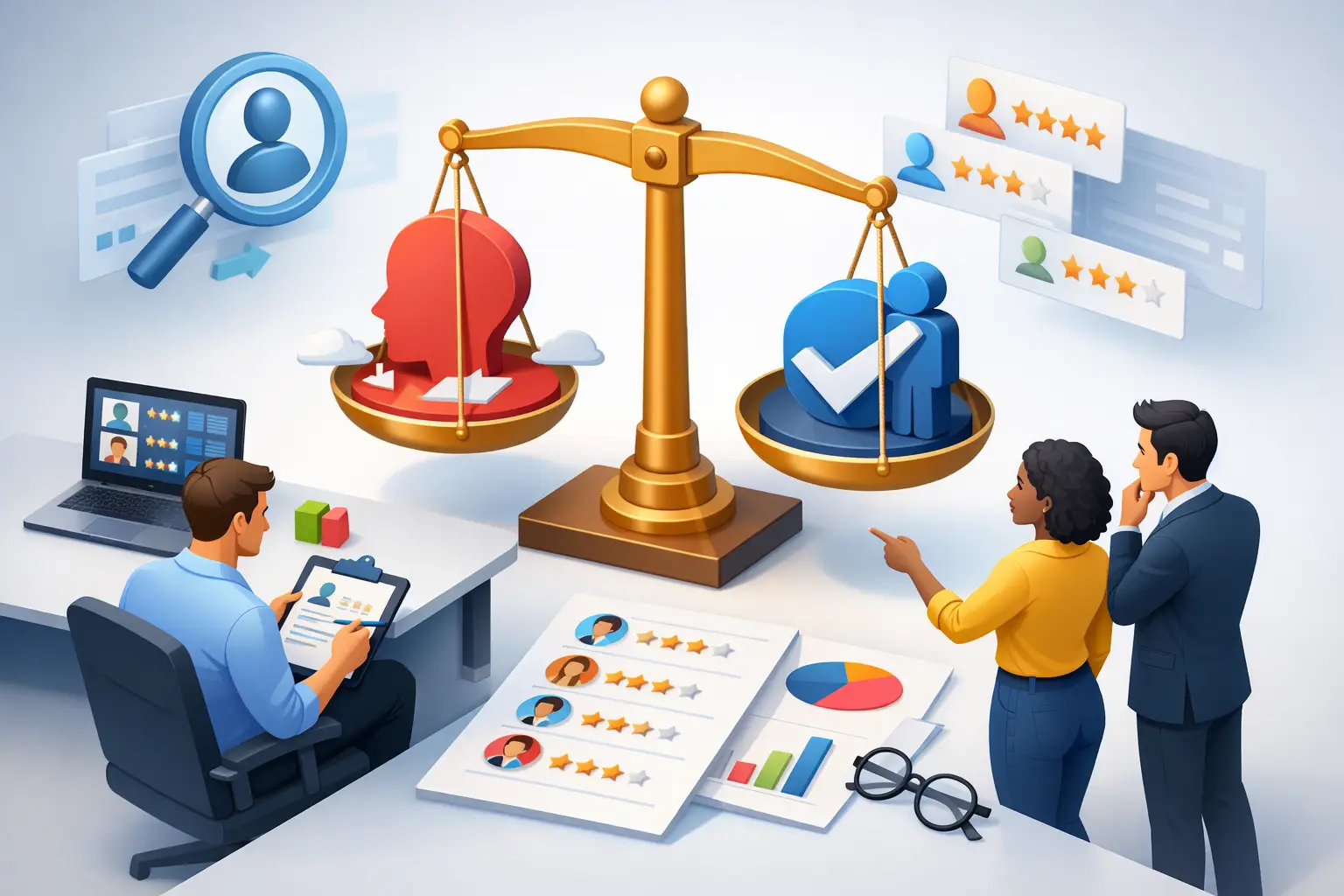
How to Reduce Bias in Performance Reviews
Learn how to reduce bias in performance reviews with structured criteria, blind inputs and calibration methods that improve fairness.